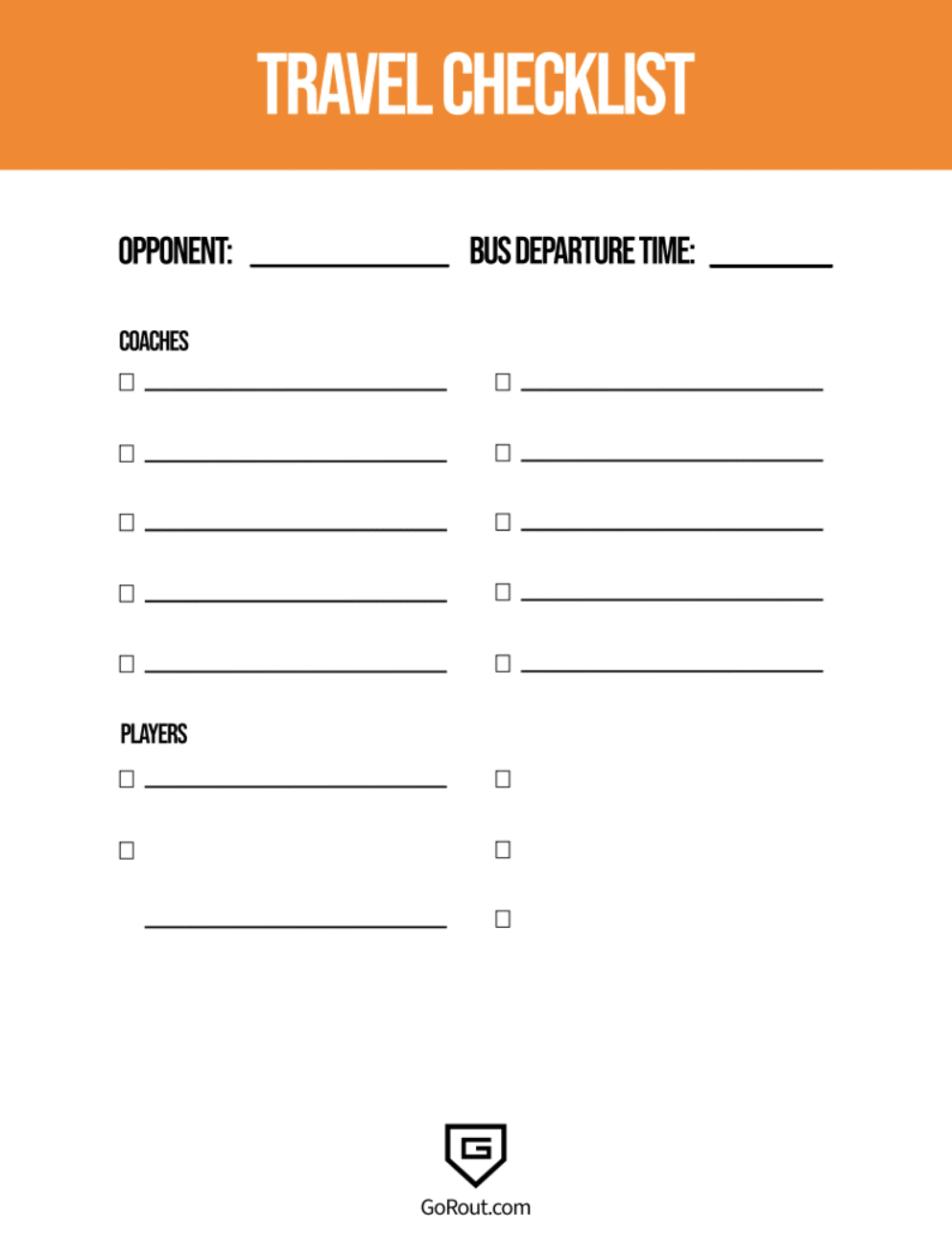
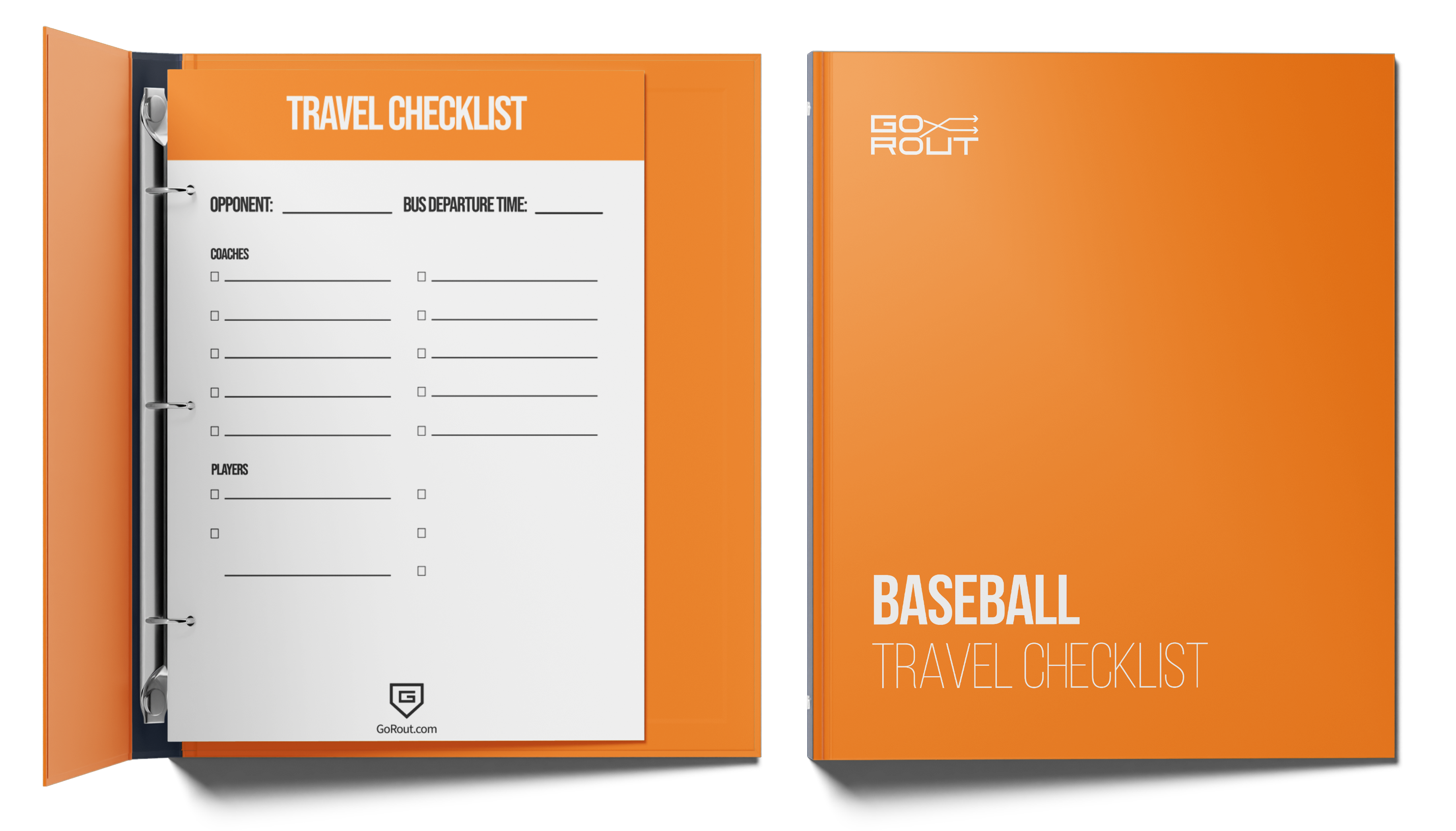
Travel Baseball Checklist [FREE PRINTABLE PDF DOWNLOAD]
Our FREE Baseball Travel Checklist helps players, parents, and coaches stay fully prepared for every road trip, tournament, and away game. This resource organizes all the essentials, from gear and uniforms to nutrition, paperwork, and travel-day must-haves, so nothing gets overlooked. It’s the go-to guide to reduce stress, save time, and ensure your team arrives ready to compete.
Get this FREE asset delivered to your inbox by filling out the form below. Wait for 60 seconds and refresh your inbox to see an email from us with the PDFs attached.
What Is Essential Gear for Travel Baseball?
Travel baseball isn’t terribly different from recreational youth organizations and little league baseball. At the core, essential baseball equipment is necessary no matter the organization or division. There are certain factors, including the travel component and multiple games in the same day, that impact travel players.
Some of the most essential items for a travel baseball season includes:
- Gloves
- Bats
- Uniform
- Protective gear
- Additional equipment
In the sections below, we’ll expand upon the specifics of each essential gear component.
Gloves
One of the most essential pieces of gear for any baseball player is their glove. No matter the position, a glove is the most basic and necessary piece of gear for defense. Travel baseball players need a glove that is broken in and ready for play.
Core equipment for travel baseball includes properly broken-in fielding gloves tailored for the player’s specific position. Because it’s the next step up in competition, players are more likely to have specialized positions.
Some teams provide specialty gloves like catchers and first base mitts. At the travel level, if you’re starting to specialize in either of those positions, it’s wise to purchase your own mitt for comfort, practice, and game competition moving forward.
Bats
Bats are to the offense what gloves are to the defense: the most important tool. As a coach, you should have a selection of team bats that players can use. However, many players have their own personal bat.
Players should bring their preferred bat and a backup bat in case of breakage. Bats must meet league standards, such as USABat for Little League, USSSA or BBCOR for older travel divisions.
Uniform
Uniforms keep your team looking sharp and prepared for each game. All parts of the uniform including jersey, pants, belts, and socks, should be packed for games. Players should bring a team hat or cap that completes their uniform.
An essential part of a baseball player’s uniform is their cleats. Cleats provide traction and footing for players. Some teams provide branded cleat options for players, while others have players purchase their own.
Cleats should be molded rubber for younger players; metal is typically only permitted for older 13U+ divisions. Players should pack their game cleats and consider bringing a backup pair. In sloppy conditions, muddy cleats may give players trouble and negatively impact their performance.
Protective Gear
A variety of protective gear keeps players safe during travel baseball games and tournaments. This equipment and gear protects players from a range of discomfort and injuries, making life easier for coaches and players.
An adequately fitted batting helmet is essential for player safety. This is non-negotiable. Every player must wear a batting helmet when they hit. It protects them from wild pitches, foul tips, and any other incidental contact. Some teams and leagues have specific requirements regarding face masks and other extra protective features.
Batting gloves are essential to improve grip and reduce blisters during play. Players aren’t required to wear batting gloves, it’s a decision based on personal preference. Wearing batting gloves can give an advantage with better grip, but some players don’t like the feel of a glove and prefer hitting bare handed.
Some additional essential protective gear includes:
- Athletic cups
- Sliding shorts with padding, and
- Optional mouth guards for pitchers/infielders
Additional Equipment
Outside of protective gear, there are a few pieces of additional equipment that teams, coaches, players, and parents can utilize to make their travel baseball experience more enjoyable.
- A collapsible wagon is essential for transporting gear from distant parking lots to the dugout, or when the next game is on the other side of the facility
- A first aid kit should be packed with basic supplies for emergencies during games
- A pop-up canopy tent can provide shade and shelter from rain during games
- High-SPF sunscreen is necessary for sun protection during long games
Nutrition and Hydration for Travel Baseball Tournaments
Travel baseball tournaments often consist of numerous long days. Even if it’s just a one-day tournament, teams play multiple games that require energy and focus. Major tournaments are longer and can extend more than three days, some as long as a week.
Whether it’s in the heat of July summer in Texas or an indoor winter Christmas tournament in New England, players need proper nutrition and hydration to remain energized and healthy.
Staying hydrated is essential for peak performance during a baseball tournament. A healthy diet and proper nutrition maximizes potential performance and energy.
Here are a few nutrition and hydration tips for travel baseball tournaments:
- Players should bring refillable water bottles to stay hydrated throughout the day.
- Packing energy-boosting snacks such as granola bars, trail mix, and fruit is important for players during tournaments. Healthy snacks should include protein bars, fruit, nuts, and jerky to keep energy levels up.
- Electrolyte-replenishing drinks can help prevent dehydration during tournaments.
- Coolers can be used to store drinks and snacks for players during long tournament days. Hydration requires a cooler stocked with ice, water, electrolyte drinks, and protein-rich snacks.
- Meal prep is important for ensuring players have healthy food options during longer tournaments.
- Avoid candy, sweets, and other unhealthy food that doesn't provide nutritional benefits. You can't beat your opponent if your team isn't properly fueled.
Tips for Families of Travel Baseball Players
Players and coaches aren’t the only people impacted by travel baseball tournaments. Parents, guardians, siblings, and other individuals travel along to support the team and players. For extended weekends of long days filled with games, families need to prepare.
Here’s a list of tips and tricks for families to best prepare themselves and players for travel baseball tournaments:
- Keep a designated station at home to organize gear effectively before travel.
- It is advisable to pack the night before to avoid scrambling in the morning. That goes for at your house or in hotels during tournament weekends.
- Organizing your suitcase can help avoid stress and ensure that everything is easily accessible during travel. Keeping your stuff organized is half the battle.
- Packing a cooler with snacks and drinks can help save money during long days at the ballpark and avoid extra costs.
- Preparing a checklist before travel can help ensure that nothing important is forgotten and that you bring all the essentials.
- Packing snacks and drinks for the road can make travel easier and more enjoyable for everyone.
- Bringing entertainment for kids can help keep them occupied during long travel days and extended trips in the car.
- Players should take ownership of their bat bags to ensure nothing is left behind between game transitions.
- Using a portable wagon can make transporting gear and supplies easier during game days, and walking back and forth between fields less exhausting.
- Bringing a pop-up tent can provide shade and comfort during hot game days.
- Having a first aid kit readily available is important for handling minor injuries during games.
- Bring hand sanitizer for both players and yourselves. Many tournaments don't have accessible sinks to wash hands before eating.
- Carry extra cash. Even though you want to save money, sometimes you'll need to purchase from the concession stand. Other times there are unique gifts and merchandise for sale to commemorate tournaments.
How To Prepare for Travel Baseball Games
Each individual game within a travel tournament requires preparation. For coaches, players, parents, and anyone else attending, there are numerous items to consider to make each game manageable and enjoyable.
Players
Here are things to consider when preparing for each travel baseball game:
- Players should maintain a consistent pre-game routine including hydration, checking gear, and stretching.
- Weather-related items such as raincoats, umbrellas, and cooling towels are important for game day preparation
- Labeling gear and uniforms can help avoid mix-ups and ensure everything is accounted for
- Packing extra clothing layers is important for unpredictable weather on cold days during baseball games
Coaches
- Having a first aid kit on hand is crucial for addressing minor injuries during game days
- A folding wagon is essential for carrying all your gear to the baseball field
- Make sure to remember all of your team-owned equipment, like bats and helmets, so that players who don’t own those items can participate
Spectators
- Packing a cooler filled with snacks and drinks can save money during long game days
- Bringing folding chairs or bleacher seats can make spectating more comfortable during games
- A pop-up tent can provide shade and comfort during long days at the ballpark
- Bringing your own food can help save money and ensure everyone has something they like to eat while they watch the game
What Should Be On a Travel Baseball Packing List?
Packing for a travel baseball tournament requires thought and time. Creating a checklist for packing keeps you organized and ensures you don’t forget anything.
A complete travel baseball checklist should separate gear into on-field, off-field, and tournament-specific categories.
We’ll break down some items to consider within each category of your travel baseball packing list in the sections below.
On-Field
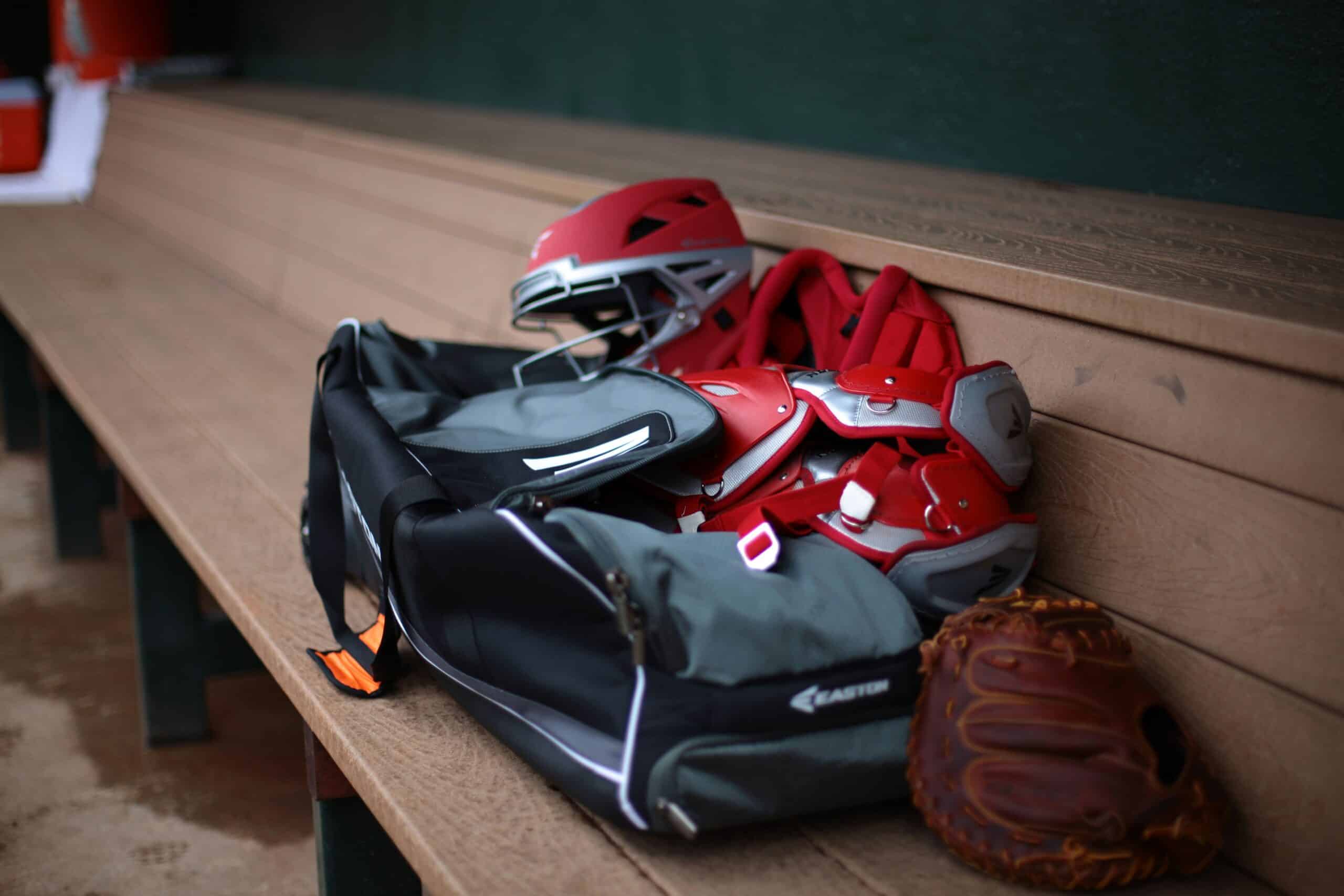
- A durable equipment bag, either a backpack or wheeled, with dedicated compartments for bats and cleats is necessary.
- Portable phone chargers are crucial for tracking scores on apps. Pitch calling devices like GoRout Diamond and other scoring apps may have their own chargers that teams should always bring.
- Label all gear and uniforms with names or initials to avoid mix-ups
Off-Field
- Bring a cooler filled with snacks and drinks to avoid high concession stand prices.
- Bring a travel-size laundry detergent or stain stick for quick uniform cleaning on the go
- Include folding chairs or bleacher seats for comfortable viewing during games
- Bring a large tote or separate bag to keep all items organized and easily accessible, including personal items or changes of clothes
Tournament-Specific
- Pack all uniforms, including jerseys, pants, belts, and socks, for the tournament.
- Use a portable wagon to transport all your gear and keep everything organized.
- Pack weather-related items such as raincoats, ponchos, and cooling towels for varying conditions.
- Bring a first aid kit with basic supplies for any injuries that may occur during the tournament
- Pack extra socks and undergarments for long tournament days
Stay Organized with GoRout's Free Downloadable Travel Baseball Checklist
Never Forget a Bag Again
Travel days are chaotic. With this checklist, you’ll have a one-page cheat sheet of everything from bats and helmets to snacks, sunblock, and extra socks so nothing gets left behind.
Arrive Ready. Every Single Time.
Whether it’s a two-hour ride or a multi-day weekend, you’ll know exactly what to load, when to pack, and what to double-check before leaving. No more forgotten gear, late-night panics, or “Did we get everything?” stress.
Focus on the Game, Not What You Forgot
Let the checklist handle the details. You concentrate on scouting, warm-ups, and strategy while your team pulls up to the field fully equipped, well prepared, and locked in.