One-Way Communication Device (Softball): Complete Guide For 2026
Reading Time: 11 minutes


Reading Time: 11 minutes
Starting in 2025, high school softball coaches were allowed to use electronic devices in the dugout for one-way communication to the catcher while on defense.
This update follows similar changes in other sports and brings new ways to call pitches and share instructions. If you’re a coach, player, or parent, you probably want to know what these devices are and how they work.
This guide covers everything about one-way communication devices for softball in 2026. You’ll find out what these devices do, how they help your team, what the official rules say, and which systems you can buy.
You’ll also get tips on setting up the technology and handling common issues that pop up during games.
The Basics of One-Way Communication Device For Softball

A one-way communication device lets coaches send signals directly to players on the field without using visible hand signs. The device uses electronic tech to transmit messages from the dugout to a player wearing a headset app with an earpiece, a wristband, or another type of receiver.
Why softball adopted digital communication
Fastpitch softball moved to digital communication for two reasons. Opposing teams were stealing signs, and traditional hand signals slowed down games because coaches and catchers had to go through multiple signs for each pitch.
The system speeds up games by cutting out the back-and-forth. Your catcher system gets the pitch call instantly instead of the player glancing at the dugout over and over.
How it works in baseball/softball
Baseball approved this game-changer first, but now softball rules work the same way. Both sports let coaches send messages to catchers during defense, but the device must only send information one way. Players can’t respond back.
| Component | Function |
| Transmitter | Coach uses this to send signals |
| Receiver | Player wears earpiece or electronic band |
| Messages | Pitch calls and defensive plays only |
You can’t use the device when your team is batting. The rules also ban communication with any player except the catcher during defense. The coach must stop using the device once the pitcher starts their motion.
What One-Way Communication Means In Softball
One-way communication in softball means coaches can send messages to players on the field. The most common use is for a coach to send pitch calls directly to the catcher during defense.
This technology became legal in high school softball starting in the 2025 season. The NFHS approved this rule change to let teams use modern technology if they want.
How coach-to-player instructions work
The coach stays in the dugout and uses an electronic device to send instructions. The catcher wears an earpiece or a softball wristband to get the message.
The coach can call pitches, suggest defensive shifts, or give other instructions during play. Communication only goes one direction; the catcher can’t send messages back to the coach through the device.
It keeps things simple and avoids unfair advantages.
Device categories used in softball
You can use several types of devices for this system. Earpieces fit inside the catcher’s helmet and let them hear the coach’s voice or tone signals. Digital wristbands wrap around the wrist and display messages.
Smart watches show pitch calls and other instructions on a small screen. All these devices must only receive information from the coach.
Why one-way systems eliminate confusion
Traditional hand signals can be tough to see or easy for opponents to steal. With direct communication from coach to catcher, there’s less chance of missing a sign or calling the wrong pitch.
Your pitcher and catcher stay on the same page for every pitch. The system also speeds up the game, since your catcher doesn’t need to look at the dugout multiple times or work through complicated sign sequences.
Benefits Of One-Way Communication Devices For Softball Teams

One-way communication devices have changed how softball coaches work with their teams during games. These systems allow the head coach to send pitch calls and instructions directly to the catcher.
Faster pitch calling
You can speed up your game with electronic communication devices. The coach talks directly to the catcher instead of using hand signals.
It cuts down the time between pitches and keeps your team moving at a better pace. Players stay more focused when they’re not watching for signs.
The catcher gets clear instructions right away and can set up faster for each pitch.
Improved defensive alignment
Communication devices help you position your players better. The head coach can tell the catcher about defensive shifts or changes based on the batter.
Your catcher can then relay this information to other players. You can adjust your strategy quickly when you see how the other team is playing.
This ability to communicate keeps everyone on the same page. Softball game analysis gets easier when your team can make quick adjustments.
Eliminating sign-stealing
Your pitch calls stay private with electronic devices. The opposing team can’t see hand signals or figure out your patterns, which gives your team a real advantage.
You don’t have to worry about runners on base watching your signs. The communication goes straight from coach to catcher through a secure system.
Your strategies stay between you and your players, right where they belong.
Rules For One-Way Communication Device For Softball
One-way communication devices change how coaches talk to catchers during games. You need to know the specific rules for your level of play before using this tech.
High school rules
The NFHS approved one-way electronic communication for high school softball starting in 2025. You can use devices like earpieces, electronic bands, and smart watches in the dugout to send messages to your catcher while on defense.
Important restrictions you must follow:
- Only coaches in the dugout can send messages
- The catcher can’t send messages back to you
- You can’t use the device outside the dugout area
- No communication with players when your team is batting
- The device must only send one-way signals
If you break these rules, the umpire can eject you unless the violation is minor. In that case, you might get a warning first. The rule is optional, so you can still use traditional signals and signs if that’s your thing.
NCAA fastpitch rules
NCAA softball has its own rules about electronic communication. You should check with your conference to see what devices are allowed at the college level.
The rules may differ from high school standards.
Tournament variations
Different tournaments might have their own policies. Some may not allow electronic devices to keep the game traditional and secure.
Always ask the tournament director about approved communication methods before your first game. Some tournaments worry about signals being stolen or intercepted, so they stick with hand signs only.
Types Of One-Way Communication Devices In Softball

Several different devices are now available to help you communicate with your catcher during games. Each type of system offers unique features to fit your team’s needs and budget.
Audio receivers
Audio receivers are the most common type of device in softball. Your catcher wears a small earpiece that gets messages from you in the dugout.
These systems use secure channels to send audio signals directly to the player. The receiver usually has an ear tube that fits under the catcher’s helmet.
You can push a button to send instructions instantly. Most systems offer clear audio even in noisy game environments.
Digital wrist displays
Digital wrist displays work differently from audio systems. Your catcher wears a band or smartwatch on their wrist.
You send signals through an app or transmitter, and they show up as numbers or symbols on the display. These devices are lightweight and easy to read during play.
The technology lets you program different pitch calls and defensive strategies. Your catcher can glance at the display quickly without drawing attention.
Dugout transmitters
The transmitter is what you use to send messages to your players. Most systems have a handheld pack with a microphone for audio devices.
Some advanced systems use app-based controls on tablets or phones.
The precision of modern transmitters keeps your calls private and secure. Many coaches like how simple these transmitters are to use during fast-paced games.
Meet GoRout Diamond For Softball Teams
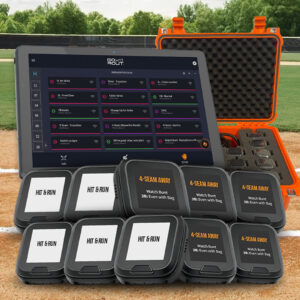
GoRout Diamond gives softball teams a complete system to communicate plays and pitches without signs or signals. The platform combines an easy-to-use coaches app with wearable devices for players on the field.
Why GoRout Connect is becoming the go-to softball communication system
Teams across youth, travel, high school, and college softball programs pick GoRout because it works. You don’t need WiFi at your field to send calls.
The devices come fully encrypted out of the box, with no pairing or programming needed. Over 2,000 teams already use this reliable system.
The market for softball communication devices keeps growing as more programs try the tech.
Instant pitch calling with visual clarity

Coaches build their play calls using up to 40 characters in the app. When you send a call, it shows up instantly on player devices.
Each screen has a 4-way privacy filter so only the player wearing it can read the message. The displays work even in bright sunlight.
Players get clear information every time.
Eliminating misread wristbands and stolen signs
Traditional wristbands and hand signals can cause confusion. GoRout removes that problem. Your opponents can’t steal signs because every call uses secure encryption.
Players know exactly what pitch is coming and how to adjust their defense. No more guessing or missed communication.
Seamless integration with defensive alignments

You can send defensive shifts, offensive plays, pick-off plays, and bunt defenses through the same system. The efficient platform lets you coordinate all nine players at once.
Everyone stays on the same page during every play.
Proven benefits for high school and collegiate fastpitch programs
Coaches report better tempo between pitches and improved game management. The durable devices handle rain, heat, humidity, and cold weather without issues.
The battery life lasts through long doubleheaders that run over five hours. Teams see results right away.
The simplicity of one-touch communication helps coaches make faster decisions.
Setup and best practices for maximum efficiency
Getting started takes just a few minutes. Build your pitch calls and defensive plays in the coaches’ app before game day.
Assign devices to each player position. During games, send calls with one tap, and the system does the rest.
Customer support is quick to help if you run into any issues, so you can stay focused on coaching.
Get a quote now.
Integration With GoRout Connect For Softball Teams

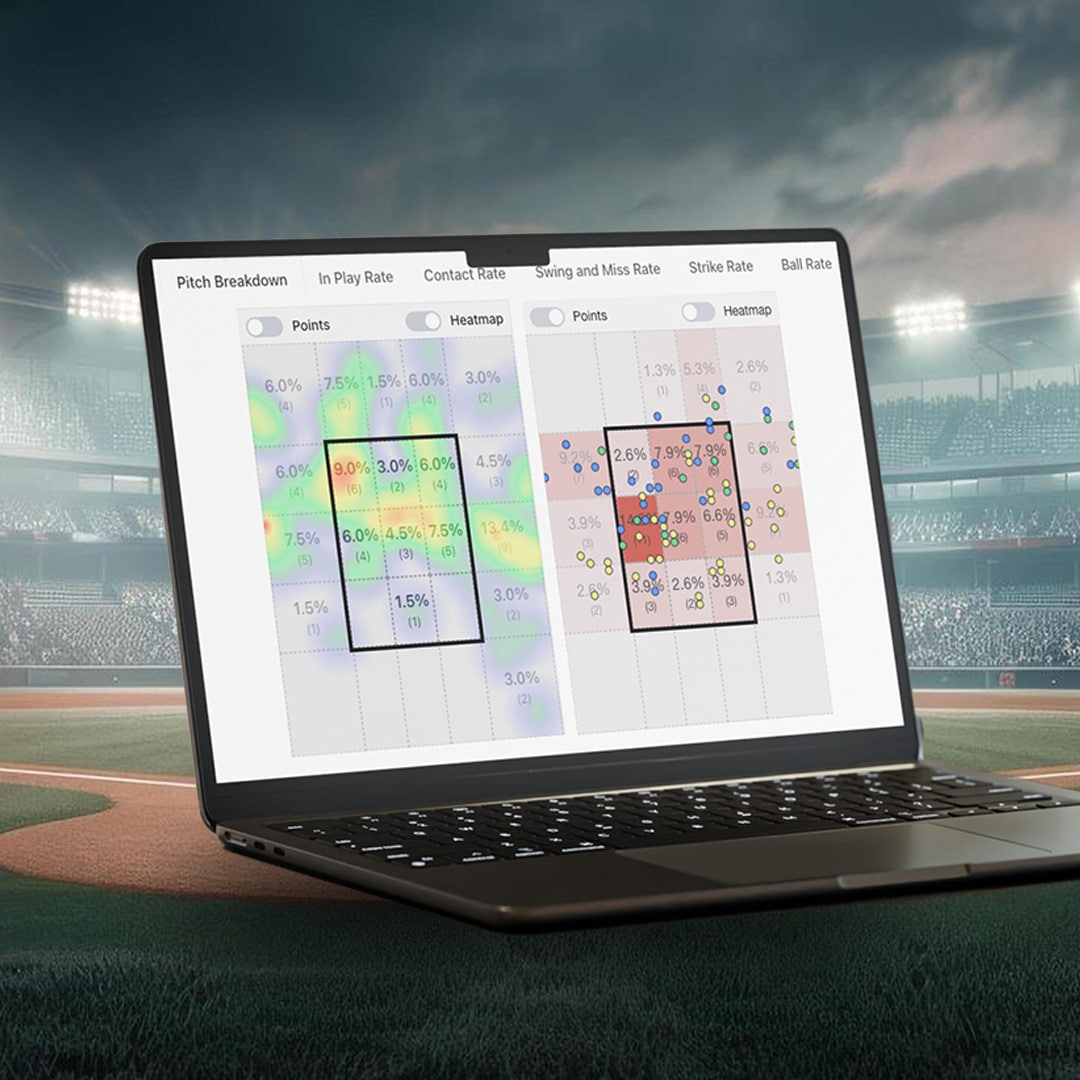
GoRout Connect teams up with the AWRE Sports Advanced Charting App to give your softball squad automated analytics after every game. If you use GoRout Diamond for pitch calling, you get this service included.
The system transforms your pitch calls into detailed reports. You don’t have to do extra work, just let the tech handle it.
Setting up the connection only takes a few minutes. You’ll see a simple opt-in prompt on your GoRout tablet, letting you sync your pitch library with AWRE Sports.
After that, every pitch call moves over automatically. It’s a pretty smooth process.
What you gain access to:
| Analytics Type | What It Shows |
| Strike zone maps | Where pitches land and which zones get attacked most |
| Spray charts | Where batters hit each pitch type |
| Heat maps | Pitcher effectiveness by location |
| Pitch intent vs result | Execution rates and mistakes by count |
You can tweak filters to see data by pitch type, game situation, or individual pitcher. Softball analytics software like this lets you plan bullpen sessions based on real performance patterns.
The system sends reports straight to your inbox after games. You won’t need to chart pitches by hand or fuss with spreadsheets.
Your game day routine stays the same, but you get professional-level data analysis tossed in. All GoRout Diamond customers get these analytics tools at no extra cost.
The platform syncs across connected devices. Coaching staff can review the same info from anywhere, which is pretty handy.
Get a quote today.
How To Implement A One-Way Communication Device For Softball
Getting started with a one-way communication device takes some planning and practice. You need to set it up right and help your team learn how to use it.
Teaching players the system
Start with your catcher since they’ll be wearing the wristband. Show them how to get it comfortable on their wrist, and explain how they’ll get calls from the dugout.
Build a simple program so players understand each call. Begin with basic pitch types and locations, then add more complex signals when they’re ready.
Your catcher needs to know how to relay the signs to the pitcher after seeing them. Practice works best when everyone has a clear role in the process.
Testing before games
Check your equipment before every game. Test the connection between your transmitter and the catcher’s receiver to make sure everything’s clear.
During warm-ups, walk through different game scenarios. That way, you can spot any tech issues before the first pitch.
Always have a backup plan in case the device fails during play. You never know when you’ll need it.
Integrating with softball playbooks
Your usual playbook should fit alongside the new system. The device lets you call pitches faster and keeps your signs hidden from the other team.
Connect your pitch-calling system with defensive plays and positioning. You can deliver instructions quickly without flashing hand signals that opponents might catch.
Traditional signs work as a backup whenever you need them.
Common Issues And Fixes For One-Way Communication Devices
One-way communication devices make coaching easier, but they can run into problems during games. Knowing how to fix things fast keeps your team running smoothly.
Battery life management
Dead batteries are probably the most common issue. Most devices last 8-10 hours on a full charge, but cold weather can drain them faster.
Charge your devices the night before games. Keep a fully charged spare battery in your gear bag and check battery levels during long tournaments to make sure everything keeps working.
Weather resistance
Rain and humidity can mess with electronics. While many systems are water-resistant, they aren’t truly waterproof.
Store your devices in waterproof cases when they’re not in use. If it starts raining during a game, cover the coaching unit with a towel or even a plastic bag.
Let wet devices dry completely before charging. That’ll help you avoid permanent damage.
Player comfort
Catchers sometimes complain about earpieces feeling weird or falling out. Usually, that means the device doesn’t fit right in the helmet.
Test different earpiece sizes to find the right fit for each player. The earpiece should sit snug but not hurt. Some players go for foam tips instead of silicone ones for better comfort.
Quick troubleshooting tips
- No sound reaching the catcher: Check if both devices are on the same channel
- Static or interference: Move away from metal dugouts or scoreboards
- Device won’t turn on: Try a hard reset by holding the power button for 10 seconds
- Connection drops: Make sure you’re within the device’s range (usually 300-500 feet)
If you use GoRout Diamond, you don’t need Wi-Fi on these devices, so connectivity issues are rare. You can set everything up and start using devices in under a minute.
Conclusion About A One-Way Communication Device For Softball
One-way communication devices have made a real splash in softball. These systems let coaches talk straight to their catcher without hand signals or awkward signs.
The technology became legal for high school softball in 2025. Now, you can use it at pretty much every competitive level.
Key benefits you get with these devices:
- Direct coach-to-catcher communication
- Faster game pace
- Better strategy execution
- Reduced signal stealing
- Clear instructions during games
There are a few different systems out there, depending on what you need and what you can spend.
Think about your team’s needs before picking a device. Battery life, range, sound quality, and how easy it is to use all matter.
Most of these systems work for both baseball and softball, which is pretty handy. Getting started isn’t complicated. You can ask for a quote from the provider you like.
GoRout Diamond offers a solid option that works for teams at just about any skill level. It sets up quickly and meets all the current softball rules.
Get a quote today.
Share This Article
Related Articles



Big-League Analytics in your dugout for free
With GoRout Connect, GoRout Diamond customers receive access to AWRE Sports suite of analytics tools for free!