

Football Depth Chart Template: Download the free GoRout Template
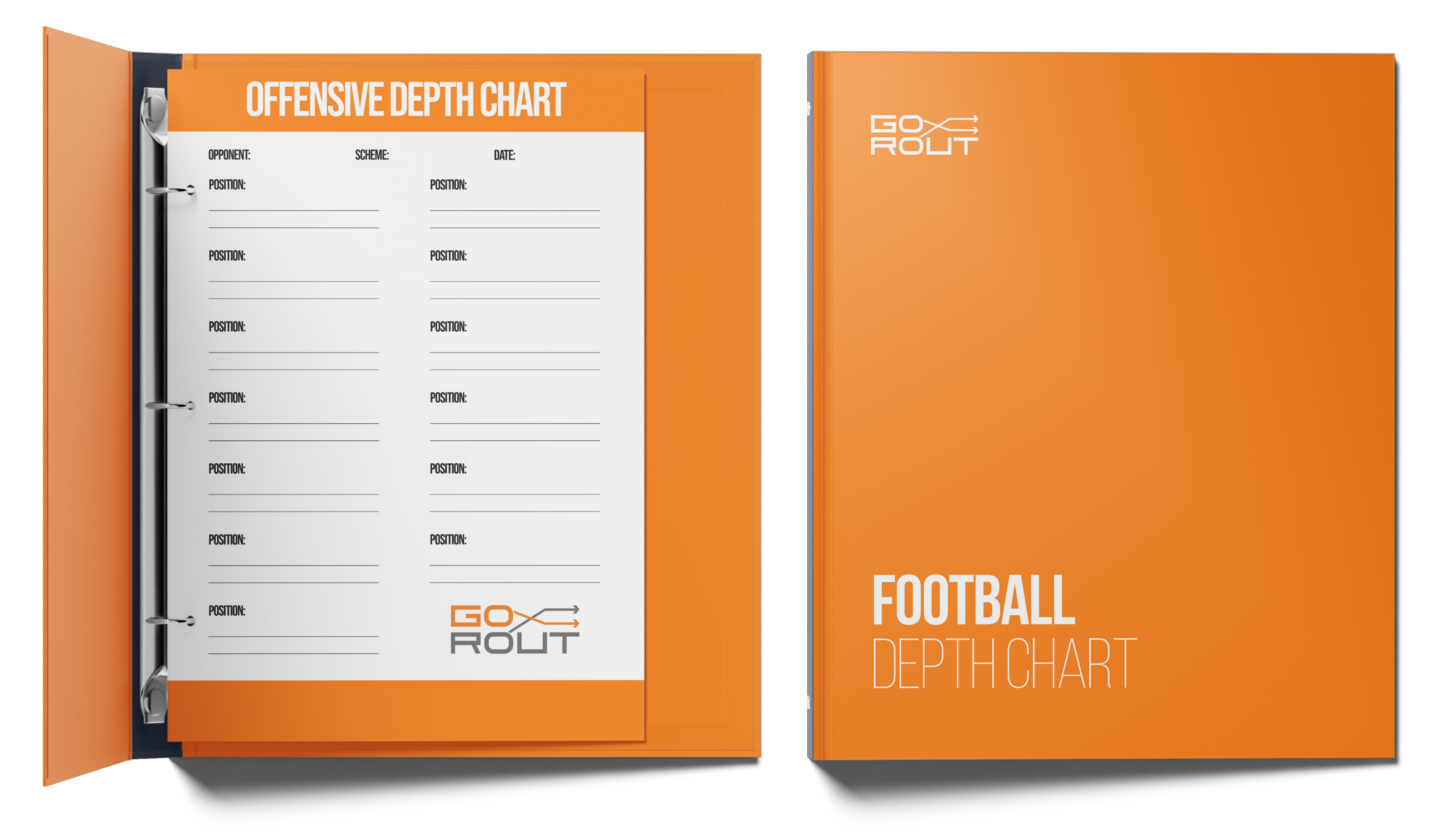
Gain clarity and confidence on game day with our free Football Depth Chart template. Designed with coaches in mind, this customizable sheet helps you clearly outline position assignments and backup roles at every level. With dedicated space for observations, injury updates, and personnel packages, this chart ensures your staff is aligned and your team is always ready to execute.
Get this FREE asset delivered to your inbox by filling out the form below. Wait for 60 seconds and refresh your inbox to see an email from us with the PDF attached.
What is a Football Depth Chart?
A football depth chart is a document that determines the hierarchical order at each position. Depth charts are divided into phases including offense, defense, and special teams. Each spot on the chart has rows that lists the player names and position.
The depth chart ranks player positions from starters to backups and reserves, typically structured in the following order:
- Starter (first string)
- Backup (second string)
- Reserve (third string)
- Additional reserve (fourth string)
A depth chart can show up to eight key reserve players, depending on the team’s needs and available roster spots.
Why is a Depth Chart Important for Football Teams?
A depth chart is vital to any football team. While its main purpose is to determine starters, backups, and reserves at each position, depth charts aid coaches in numerous ways.
A few ways that coaches can use a depth chart includes:
- Motivating players
- Managing playing time and game planning
- Planning special packages and substitutions
- Identifying talent depth
Motivate players
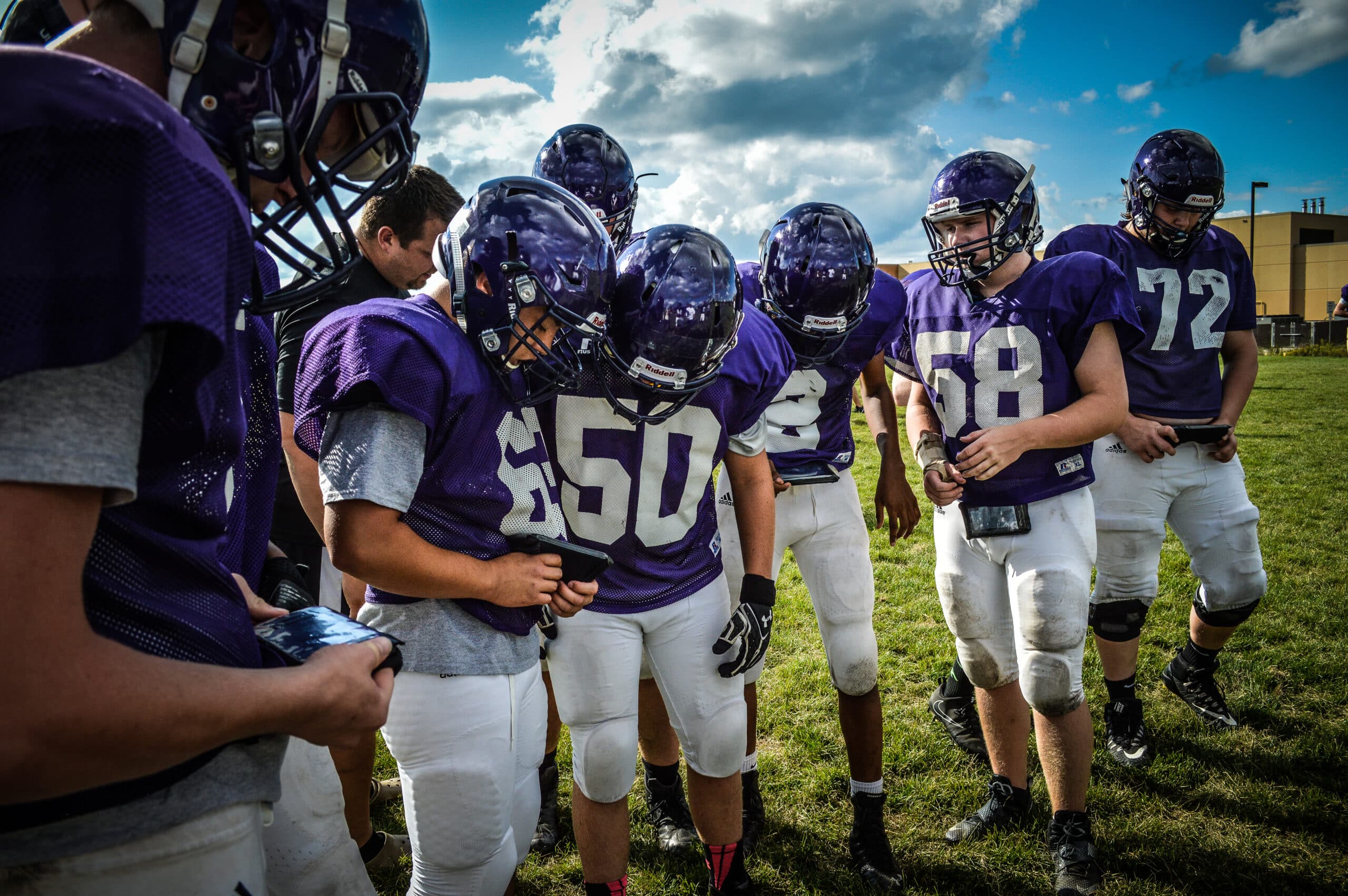
The depth chart serves as a tool for coaches to motivate players. Coaches encourage backups and reserves to work hard in practice to earn playing time. In close position battles, the depth chart encourages starters to fight to maintain their spot while reserves have an open opportunity to earn the starting role.
It’s important that competition remain healthy and coaches encourage players to connect as teammates within their position groups.
Manage playing time and game planning
Coaches use depth charts to manage playing time and game planning. As they assess their personnel at each position, coaches tailor their strategy and scheme to the roster’s strengths.
Depth charts also provide coaches with an easy resource for mapping out playing time. When running backs need to be subbed out, either for rest or a specific formation, depth charts help coaches organize that playing time.
Depth charts assist in roster management during practice. Coaches can use the depth chart to plan out different sections of practice, including scout team looks.
Plan special packages and substitutions
The depth chart aids in planning special packages and substitutions. Prior to the start of the season, coaches assess their roster and design special packages based on their personnel.
Depth charts can help inform innovative play design and trick plays that can pay off in big moments.
Identify talent depth
Depending on the level of experience and age group, it can be difficult for coaches to have a grasp of their teams skills and abilities at each spot. The chart helps identify talent depth at various positions.
Head coaches, coordinators, positions coaches, and other assistants all contribute to the assessment of talent at each given position.
What Goes Into A Football Depth Chart?
Depth charts display player rankings by position. A complete depth chart covers each phase of the game, including:
- Offense
- Defense, and
- Special teams
Find the major positions listed in a depth chart in the table below:
| Position | Position Group |
| Quarterback (QB) | Offensive Skill Players |
| Running Back (RB) | Offensive Skill Players |
| Wide Receiver (WR) | Offensive Skill Players |
| Tight End (TE) | Offensive Skill Players |
| Left Tackle (LT) | Offensive Line |
| Left Guard (LG) | Offensive Line |
| Center (C) | Offensive Line |
| Right Guard (RG) | Offensive Line |
| Right Tackle (RT) | Offensive Line |
| Defensive Tackle (DT) | Defensive Line |
| Defensive End (DE) | Defensive Line |
| Edge Rusher (EDGE) | Defensive Line/Linebackers |
| Middle Linebacker (MLB) | Linebackers |
| Outside Linebacker (OLB) | Linebackers |
| Cornerback (CB) | Defensive Backs |
| Strong Safety (SS) | Defensive Backs |
| Free Safety (FS) | Defensive Backs |
| Punter | Special Teams |
| Kicker | Special Teams |
| Long Snapper | Special Teams |
Offense
The default offensive scheme for many depth charts is Pro-Set. An offensive depth chart is made up of skill positions and offensive linemen.
Offensive skill positions include:
- Quarterback,
- Running back,
- Wide receiver, and
- Tight end
The offensive line positions are broken into:
- Left tackle
- Left guard
- Center
- Right guard, and
- Right tackle
Defense
The default defensive scheme for depth charts is 4-3. Defensive positions include defensive line, linebackers, and defensive backs.
Breaking down position groups into specific roles, your defensive depth chart includes:
- Defensive line
- Defensive end
- Defensive tackle
- Linebackers
- Middle linebacker
- Outside linebacker
- Defensive backs
- Cornerback
- Safety
Special Teams
The special teams portion of a football depth chart tends to vary by team. At a minimum, it should include the special teams “specialists” who only serve their specific role.
These special teams positions include:
- Kicker
- Punter, and
- Long snapper
Because there are multiple ways to approach special teams, each depth chart will look different. Some special teams formations to add on a depth chart include:
- Kickoff team
- Kickoff return team
- Punt team
- Punt return team
- Field goal/PAT team
- Field goal/PAT block team
- Hands team
How To Build a Football Depth Chart for Your Team
Depth charts help visualize team roster pecking order and determine who takes the field on game day. As a coach, you have to develop a strategic process for building your team’s depth chart. Evaluation criteria for depth chart rankings include practice performance and game execution, along with other factors.
Here are a few tips for building your football team’s depth chart:
- Set your initial depth chart during pre-season. Whether you’re familiar with your players or not, pre-season is the time for initial skill assessment. Consider physical makeup, skillset, playing style, and other factors that are important to your team’s success.
- Adjust the depth chart as the season progresses. Depth charts are updated throughout the season to reflect player status. If a reserve works hard in practice and outside of team activities, they may overtake the starting role.
- Lean on the depth chart when injuries impact your roster. In the NFL, when players are injured and placed on the PUP list, it's up to the backups and reserves to step up. Lower levels of play handle injuries differently, but the same "next man up" mentality applies using the depth chart. On game days where starters are questionable, the depth chart helps you prepare for a backup plan if they can't play.
Download GoRout’s Free Football Depth Chart Template
Depth Chart Coverage for All Three Phases
Quickly identify starters, backups, and key personnel across all three units on one clean, easy-to-read sheet. Built for flexibility, this tool is perfect for managing reps during practice, planning for game day, or evaluating depth across your entire roster.
Built-In Space for Player-Specific Notes
Each phase of the chart includes a dedicated section for detailed player notes, helping you stay organized. From special teams availability to matchup-specific responsibilities, this feature gives you the flexibility to coach with clarity and precision.
One Sheet to Streamline Your Weekly Prep
Use it during meetings, walk-throughs, or on the sideline to keep your entire staff on the same page. This simple, printable tool eliminates guesswork and brings structure to your weekly prep so your team is always ready to execute.


