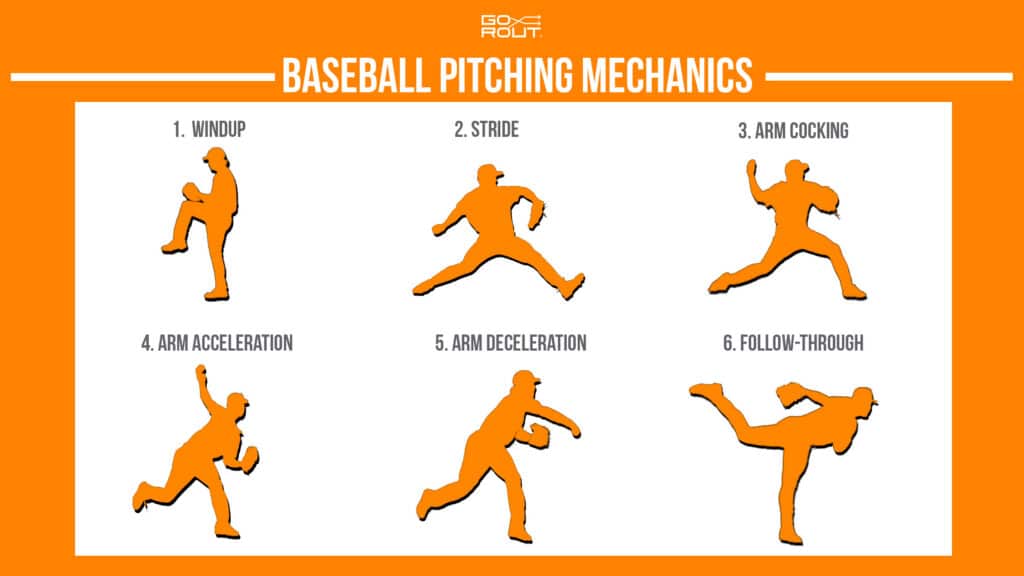
Baseball Pitching Tools For Team Success in 2026
Reading Time: 12 minutes


Reading Time: 12 minutes
Winning baseball teams need more than just talented pitchers. They need the right tools to develop, track, and improve their pitching staff.
The latest baseball pitching tools take traditional training gear and combine it with advanced technology to help pitchers throw harder, locate better, and stay healthy all season long.
You’ll need baseball pitching aids that build proper mechanics, devices that track performance data, and recovery tools that keep arms fresh. The right combination of these tools can turn average pitchers into reliable performers and help your team win more games.
This guide walks you through the essential pitching tools your team needs this season. You’ll learn about basic training equipment, pitch-measurement technology, and how to create a comprehensive development plan.
Whether you’re coaching youth baseball or softball players or managing a competitive team, these tools will help you build a stronger pitching staff.
The Basics of Baseball Pitching Tools

Baseball pitching tools help you improve faster than traditional practice alone. These training aids focus on specific parts of your pitching like arm strength, accuracy, and velocity.
Pitching training aids help:
- Young pitchers learning the right throwing technique
- High school players getting ready for college baseball
- College pitchers working toward a pro career
- Pros staying in top shape
- Coaches training their whole team
When you use the right tools regularly, you can fix problems in your throwing motion and build better habits. The key is picking tools that match your goals.
You’ll see the best results when you use these tools consistently as part of a structured training plan.
Baseball Tools For Pitching Mechanics
Good pitching mechanics are the base of every great pitcher. The right training tools help you build proper form and prevent bad habits.
Stride and balance tools
Your stride length and balance directly impact your throwing power and accuracy. Stride trainers guide your foot placement and help you maintain proper distance from the mound to home plate.
Balance boards and stability platforms strengthen your core muscles. These tools force you to engage your lower body throughout the delivery. You can practice your leg drive while getting instant feedback on your form.
Resistance bands attached to your waist simulate a proper weight shift. This type of equipment teaches you to generate power from your legs rather than just your arms.
Arm path training equipment
Weighted baseballs come in different sizes to strengthen your arm and throwing motion. Start with lighter balls and gradually increase the weight as your mechanics improve.
Arm path guides attach to your body and create physical boundaries for your throwing motion. They prevent you from dropping your elbow or using inefficient arm angles. These accessories work well during warm-up routines.
Video analysis tools let you record your delivery and compare it to proper mechanics. You can spot problems that are hard to feel while pitching.
Drills for improving overall mechanics
Pitching trainers combine multiple features into one piece of equipment. Some include targets, resistance systems, and alignment markers in a single setup.
Practice nets give you a safe place to work on mechanics without needing a catcher. Add strike zone targets to improve your accuracy while refining your form.
Finger strength trainers help you develop better grip and ball control. It improves your ability to throw different pitch grips with consistent mechanics.
Many baseball training tools work together as part of a complete practice routine.
Baseball Tools For Command And Accuracy
Learning to throw strikes consistently separates good pitchers from great ones. The right training tools help you hit your spots and develop the control your team needs to win games.
Portable strike zone targets
Strike zone targets give you a clear visual to aim at during practice. These tools attach to fences or nets and show the actual strike zone dimensions. You can work on hitting the corners without needing a catcher behind the plate.
Some targets feature numbered pockets that let you practice specific locations. It helps you develop the muscle memory to throw strikes on command during games.
Catch nets and rebounders
A quality catch net allows you to practice your pitching mechanics anywhere. You can work on your delivery and focus on hitting your targets even when teammates aren’t available.
Feedback devices for release consistency
Modern feedback tools track your release point and pitch location. Pocket radars and smart targets provide data on each throw you make.
These devices show you patterns in your pitching. You’ll see when your release point changes or when you miss your target.
This information helps you make quick adjustments and improve your accuracy faster than traditional methods alone.
Baseball Tools For Velocity Development
Building throwing velocity takes the right training tools and steady practice. These tools strengthen your arm, improve your mechanics, and help you throw with more power.
Plyo balls and weighted balls
Weighted baseballs range from lighter than standard baseballs to heavier options that challenge your arm in different ways.
You use them during warm-up routines to improve timing and arm-path mechanics. The varied weights help your body learn to move more efficiently through the throwing motion.
Plyo balls work in a similar way, but they focus more on explosive movement and correct throwing patterns. You can use them for wall drills, partner throws, or drills that help fix specific parts of your mechanics.
Lower body and core power tools
Your velocity comes from the ground up. Medicine balls and water bags help develop rotational power through your lower body and core.
These tools let you practice explosive rotational movements that mirror your pitching delivery. You can slam them, rotate with them, or incorporate them into mound work without throwing a ball. It builds the foundation for higher-velocity throws.
The rotational strength you build turns into more power in your pitching motion. Pro pitchers use these tools to sharpen their mechanics and build explosive strength.
Speed training tools
A pocket radar gives you immediate feedback on your throwing speed. Tracking your progress helps you understand which training methods work best for your development.
You can measure improvements over time and adjust your training based on real data. Baseball performance analysis helps you identify what’s working in your velocity program.
Control remains important as you add speed, so balance velocity work with accuracy training.
Resistance bands and sprint training equipment also contribute to overall throwing speed. These tools help build the fast-twitch muscle fibers needed for explosive movements on the mound.
Baseball Arm Care And Recovery Tools
Taking care of your arm is one of the most important things you can do as a pitcher or position player. The right tools help you stay healthy and perform at your best throughout the season.
Pre-throw warmup tools
You need to prepare your arm before throwing to reduce injury risk.
Resistance bands help activate your shoulder muscles and get blood flowing to the right areas. A lightweight medicine ball, usually around 2 pounds, works great for dynamic movements that loosen your arm and throwing motion.
Mobility bands stretch your shoulders and increase your range of motion before you start throwing. These simple tools take only 10-15 minutes to use but make a big difference in how your arm feels during practice or games.
Post-throw recovery systems
After throwing, your arm needs help recovering for the next session. Ice packs or cold therapy sleeves reduce inflammation in your shoulder and elbow. Many players also use compression sleeves to improve blood flow and speed up recovery.
Foam rollers help loosen tight muscles in your back and shoulders. Recovery isn’t just about your arm. Your whole upper body and core need attention, too.
Monitoring workload safely
Tracking how much you throw helps prevent overuse injuries. Pitch count apps and throwing journals make it easy to monitor your weekly workload, and some advanced systems even use sensors to measure arm stress and fatigue.
Building arm strength takes time and smart planning. You should increase your throwing volume slowly instead of doing too much too fast.
It helps pitchers keep their velocity up while staying healthy all season.
Baseball Tracking And Data Tech Tools
Technology helps you track every detail of your pitchers’ performance. These tools provide real-time information to help you make better decisions during games and practices.
Radar guns and pocket radars
Radar guns measure pitch speed with high accuracy. Traditional radar guns work well, but can be expensive and bulky to carry.
Pocket radars offer a lighter option that fits in your bag. They cost less than full-size models while still giving you reliable speed readings. Most pocket radars can measure speeds from 25 to 110 mph, which covers everything from youth baseball to advanced levels.
You can find models starting at a price of around $100 for basic features. Higher-end versions that cost $300 to $600 provide better accuracy within 1-2 mph of professional equipment.
Motion-tracking sensors
Motion sensors attach to baseballs or gloves to track pitch data. These small devices measure spin rate, release point, and ball movement through the air.
Some systems use cameras or radar to capture detailed information. They show you how each pitch moves and help your pitchers understand what they need to improve. Analytics in baseball helps coaches make smarter choices based on this data.
The sensors sync with apps on your phone or tablet. You get instant feedback after each pitch, which makes practice sessions more productive.
Video analysis tools
Video analysis lets you study pitching mechanics frame by frame. High-speed cameras capture the delivery from multiple angles so you can spot problems that are hard to see with the naked eye.
Many baseball analysis apps now include video features. You can draw lines on the screen, compare two videos side by side, and share clips with your pitchers. Some apps even use AI in baseball to automatically identify mechanical issues.
Your pitchers can review their mechanics between sessions. It helps them remember coaching points and stay focused on making the right adjustments.
Using GoRout Diamond For Player Development
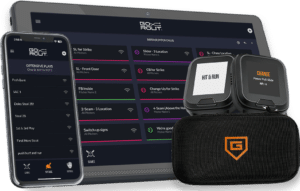
Digital baseball pitch-calling systems improve practice efficiency and help pitchers learn faster. GoRout Diamond creates clear communication between coaches and players during bullpens, drills, and simulated game situations.
How GoRout Diamond improves communication
Bullpen sessions become more productive when coaches send pitch calls directly to the catcher’s device. Your pitcher receives immediate feedback without delays or confusion about what to throw next.
The system eliminates hand signals during training. It means your coaching staff can focus on mechanics and execution instead of worrying about whether players understood the call. You can adjust the baseball practice plan in real time based on what you see.
Catchers wearing the device during bullpens learn to receive calls the same way they will in games. This repetition builds comfort with the technology. Your team becomes more efficient before game day arrives.
Sending pitch sequences digitally for tempo and efficiency

Pitch sequences arrive instantly on the device screen. Your pitcher and catcher can work through multiple scenarios without stopping between pitches.
The speed of digital communication keeps bullpen sessions moving at game pace. Traditional methods require coaches to walk out or use hand signals that slow down repetitions. With GoRout Diamond, you can simulate high-pressure situations where quick decisions matter.
This faster tempo means more quality repetitions in the same amount of practice time. Your pitchers face more situations and build better decision-making skills. The efficiency helps your team prepare for different hitters and game scenarios.
Using GoRout Diamond for mechanics, command, and sequencing drills
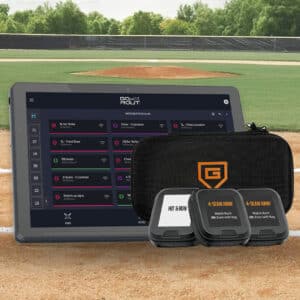
The platform supports focused training for specific skills. You can design drills that target command by calling precise locations and pitch types through the device.
For mechanics work, the system lets you isolate certain pitches while your staff observes delivery. Your pitcher concentrates on execution while you track results through the platform. This data shows progress over time and identifies areas that need attention.
Sequencing drills become more realistic when pitchers receive calls digitally. You can create situations that mirror actual at-bats. Your pitchers learn how to set up hitters and think through pitch selection under conditions that feel like real games.
Integrating GoRout Diamond with GoRout Connect
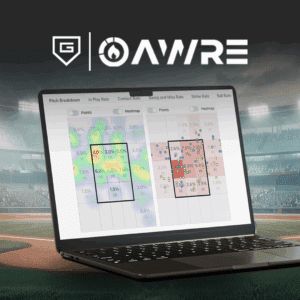
The two systems work together to track practice and game data. GoRout Connect records pitch results and provides insights on performance patterns.
Your coaching staff can review what happened during bullpen sessions through detailed reports. The baseball scoring software captures pitch intent versus actual result. This comparison reveals gaps between what was called and what was executed.
Data from practice sessions transfers seamlessly into your preparation for games. You can identify which pitches are working and which need more development. It creates a complete picture of each pitcher’s progress throughout the season.
Why pitchers develop faster with GoRout Diamond
Clear communication removes guesswork from training. Your pitchers know exactly what you want them to throw and can focus all their attention on execution.
The immediate nature of digital calls speeds up the learning process. Pitchers get more repetitions and receive feedback faster than with traditional methods. They develop confidence in their pitch mix because practice conditions match what they’ll face in competition.
Teams that use digital systems say their pitchers understand game strategy better. Players learn not just how to throw each pitch, but when to use it. The technology helps build baseball IQ and physical skills.
Get a quote today.
Building A Baseball Pitching Development Plan
Creating a strong development plan helps your pitchers improve at every level. A good plan includes daily routines, seasonal goals, and training that fits each age group.
Daily routines for pitchers
Your pitchers need consistent daily work to build skills and stay healthy.
Set up practice time that includes arm care exercises, light throwing, and recovery work. Most youth players should throw 3-4 times per week with rest days in between.
Daily routines should include warm-up activities, mechanics drills, and cool-down stretches. Your team’s practices become more effective when players follow the same structure each time.
It helps coaches follow player progress and give more accurate feedback.
Seasonal progression models
Plan your season in stages to prepare players for game situations. Start with basic mechanics in early practices. Build up arm strength gradually over several weeks before adding competitive throwing.
Your progression model should match your team’s schedule. Early season focuses on fundamentals and building pitch counts. Mid-season work focuses on improving command, tailoring any flaws in mechanics, building mental confidence, and potentially adding new pitches.
Late-season preparation trains pitchers to be ready for important games.
Age-appropriate guidelines
Different ages need different training options. Players ages 8–12 should focus on learning good mechanics and follow strict pitch limits. Teen players can handle more training and begin working on a wider variety of pitches.
Pro development methods don’t always work for youth teams. Keep training simple for younger ages.
Add complexity as players improve and get older. Your guidelines should protect arms while helping players reach their goals over time.
Conclusion About Baseball Pitching Tools
The right pitching tools can make a real difference in your team’s success. You’ve learned about weighted baseballs that help improve arm mechanics and timing. You’ve seen how recovery tools keep your pitchers healthy throughout the season.
Arm-strengthening equipment builds shoulder stability and prevents injuries. Activation tools such as medicine balls develop the rotational power your pitchers need for higher-velocity throws.
Technology has changed how teams approach pitcher development. Pocket radars give you instant feedback on velocity. Video analysis helps you spot mechanical issues before they become problems. Data-driven insights let you make smarter decisions about training and game strategy.
Your pitchers also benefit from quality bullpen equipment. A portable mound and a reliable baseball net mean your team can practice anywhere. These tools keep your training consistent even when field access is limited.
GoRout Diamond gives coaches a clear, digital way to organize and deliver practice plans. You can script drills, assign reps, and keep everyone on the same page, so each pitcher knows exactly what they’re working on and when.
GoRout Connect is the operating system that powers and links GoRout products with other tools. It improves real-time coach-to-player communication and lets GoRout integrate with third-party platforms like AWRE Sports.
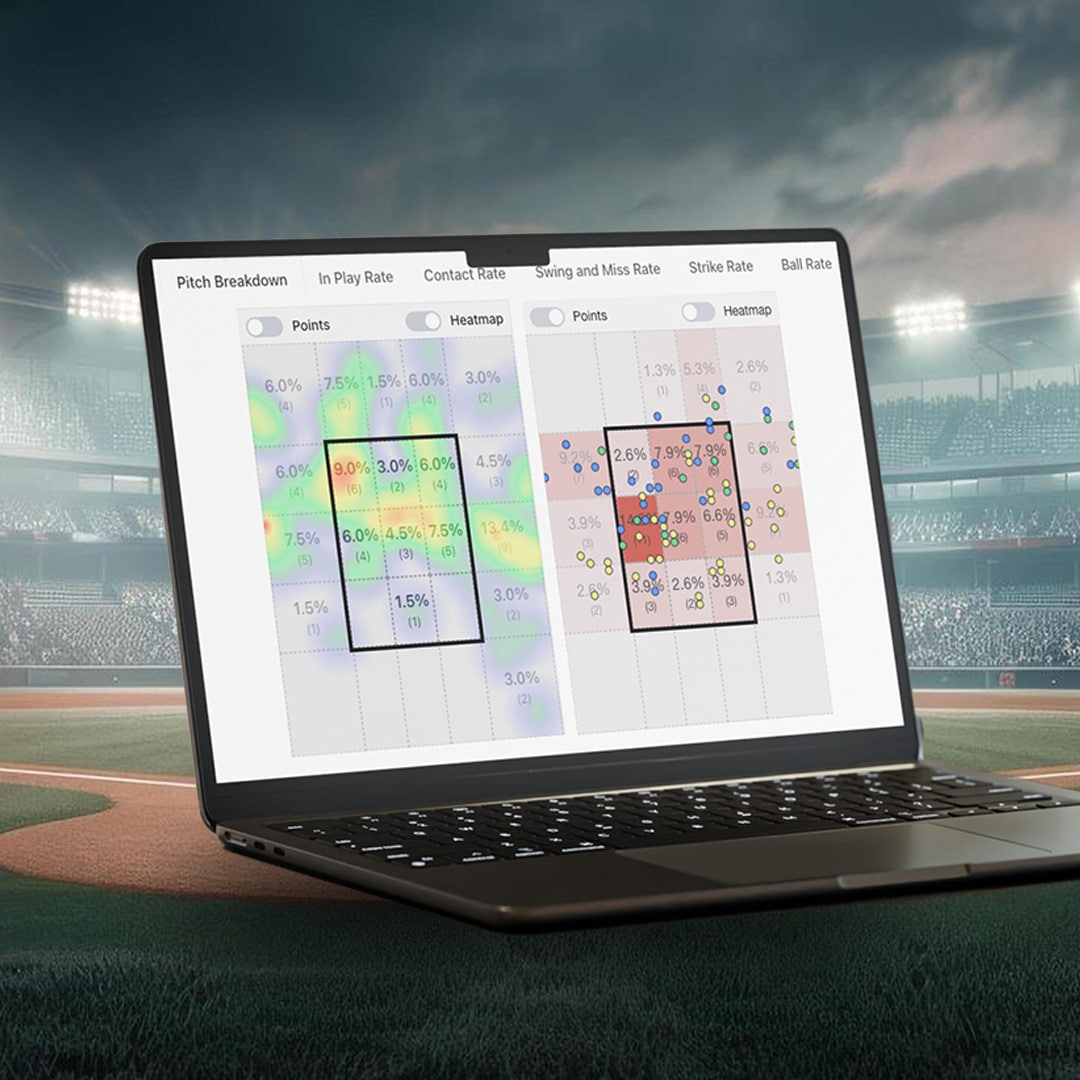
When you call pitches with Diamond and chart games in AWRE, Connect syncs that data to give you automatic analytics like strike zone maps, heat maps, and pitch intent vs. result, without changing your normal game-day routine.
Get a quote today and see how GoRout can transform your team’s performance in 2026.
FAQs About Baseball Pitching Tools
What are the best tools for pitchers?
The best tools for pitchers depend on your specific goals and needs.
Weighted baseballs help improve arm mechanics and velocity through structured warm-up routines. Resistance bands strengthen your shoulders and prevent injuries.
Pocket radars give you instant feedback on throwing speed during practice. A pitching net lets you practice without a catcher. Medicine balls and water bags help you build rotational power.
Recovery tools like massage guns and muscle stimulation devices reduce soreness after throwing sessions. Choose tools that address your weaknesses, whether that’s control, velocity, or arm health.
What are the 6 tools of baseball?
The six tools of baseball measure a player’s abilities on the field. For position players, these are hitting for average, hitting for power, running speed, arm strength, fielding ability, and throwing accuracy.
Pitchers are evaluated differently. Their tools include fastball velocity, pitch movement, command and control, pitch variety, arm angle, and mental approach to batters.
Is throwing 70 mph at 13 good?
Yes, throwing 70 mph at age 13 is above average. Most 13-year-olds throw between 55 and 65 mph. However, focus on proper mechanics and arm health rather than just velocity at this age.
Building strength and refining technique will naturally increase your speed over time.
What is the 80/20 rule in baseball?
The 80/20 rule suggests that 80% of your training should focus on fundamentals and proper mechanics. The remaining 20% can target specific weaknesses or advanced techniques.
This approach helps you build a strong foundation while avoiding overtraining or injury. Apply this rule to your throwing schedule by balancing high-intensity bullpen sessions with lighter catch play and drill work.
Share This Article
Related Articles


Big-League Analytics in your dugout for free
With GoRout Connect, GoRout Diamond customers receive access to AWRE Sports suite of analytics tools for free!