

Baseball Practice Plans: Download the GoRout baseball practice plan Template [PDF]
We have created FREE youth baseball practice plans. These easy to use plans are laid out with time increments, drills, and links to videos of the drills listed. Whether you are new to coaching baseball or an experienced head coach, these plans are sure to offer something that you can add to your toolbox to help your team become better.
Get these FREE assets delivered to your inbox by filling out the form below. Wait for 60 seconds and refresh your inbox to see an email from us with the PDFs attached.
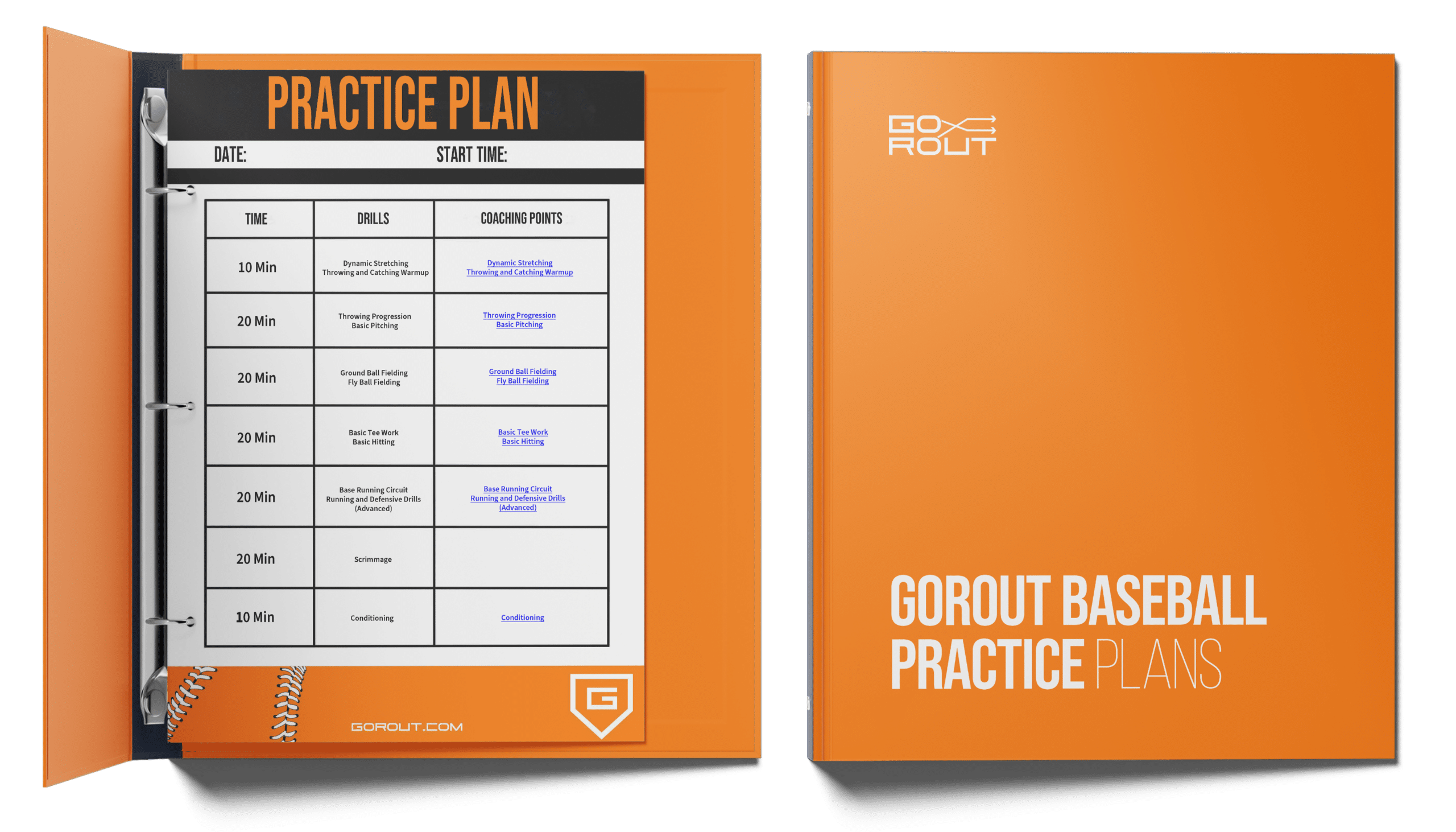
Baseball practice plans are essential for coaches looking to maximize their time on the field, keep players motivated and engaged, and develop a winning program. An effective baseball practice incorporates a mix of skill development and game preparation, including hitting, fielding, base running, and pitching drills. Well-structured practice plans focus on building and developing skills to enhance players’ abilities beyond the season.
In this resource, we’ll break down everything you need to know to structure effective practice plans for your baseball team. You’ll also find a free downloadable blank baseball practice plan PDF and three pre-made practice plans for specific age groups or experience levels.
Continue reading to learn:
- What baseball practice plans are
- Why they’re important
- Key components of a baseball practice plan
- Equipment and tools to maximize practice plans
- Examples of baseball practice plans
- Advice and tips on how to structure practice plans for your team
What Are Baseball Practice Plans?
Baseball practice plans are structured, detailed agendas used to organize efficient sessions. They help coaches cover all aspects necessary for a successful, impactful practice, including instruction, position-specific drill work, live-game simulations, and conditioning. Organized practice plans also help coaches juggle time management and skill development, while keeping it engaging and fun for players.
A baseball practice plan should be tailored to each team’s needs and skill level. Baseball coaches customize their practice plans to:
- Build on existing strengths
- Identify and correct weaknesses
- Introduce new skills relevant to the team’s age group and experience
- Keep players engaged and focused for the entirety of each session
Baseball practices can range anywhere from under one hour to two hours or longer, depending on the age group, competitive level, goals, field accessibility, and other factors. A practice plan makes sure you hit everything you need to as a coach within the period of time you have.
Why Are Practice Plans for Baseball Important?
Practice plans are essential for baseball coaches. At each phase of the season, coaches need to maximize their team’s limited practice time to get the most out of each session.
A few of the reasons why practice plans are important for baseball coaches include:
- Organization & Structure: Practice plans help coaches organize their thoughts, ideas, and goals, as well as practical applications of each. They compile drills and activities into structured blocks that make sense and build upon each other, resulting in a complete, well-rounded practice.
- Time Management: Whether it’s sharing facilities with other teams/activities, restrictive schedules, or any other factor, coaches have to make the most of their limited practice time. Pre-determined plans help break practices into defined blocks so you cover everything you need within your allotted time period.
- Efficiency & Effectiveness: Running an effective practice is critical to developing players’ skills and keeping them engaged throughout the season. Practice plans create efficiencies that build on players’ strengths, help improve weaknesses, teach new skills, and keep kids excited and motivated to work.
- Focus, Attention to Detail, & Engagement: Depending on the age group and skill level, coaches need to structure practices differently to keep players focused and engaged. Practice plans help ensure every block of the session is tailored to the needs of your team, keeping them locked in and focused.
- Injury Prevention: Outlining practice plans prevents overuse and injuries. Coaches take into consideration factors like how many games are on the week’s schedule, pitch counts, and the health of players when planning each practice. Proper warm-ups, consistent mobility work, and avoiding excessive throwing volume (especially for pitchers) are key considerations for injury prevention.
- Game Preparation: Coaches can develop specific plans to prepare for upcoming opponents in practice. Whether it’s live scrimmages tailored to the opponents tendencies, or practicing hypothetical game-specific situations, baseball practice plans help coaches expand beyond drills and batting practice to prepare their teams for game action.
Key Components of a Baseball Practice Plan
A comprehensive baseball practice plan includes a structured routine to cover the most important components of the game.
While each coach tailors specifics to their teams needs, most general baseball practice plans should include:
- Warm-ups
- Drills and skill development
- Situational practice and game-simulation scrimmages
- Conditioning and cool down
Warm-Ups
Warm-up routines are imperative to prepare players of all ages for practice. It helps get the blood flowing, stretch out muscles, prevent injury, and prepare the body. Proper warm-ups and consistent mobility work help prevent injuries from throwing and other baseball activities.
Dynamic warm-ups, which incorporate body movement while stretching, should be a staple at the beginning of your practice plan. This type of warm up incorporates sports-specific joint movements, stretching each targeted area through a full range of motion to enhance agility and prepare players for more intense physical activity to come throughout practice.
Dynamic Warm-Up Examples
Baseball-specific dynamic warm-ups to put in your practice plan include:
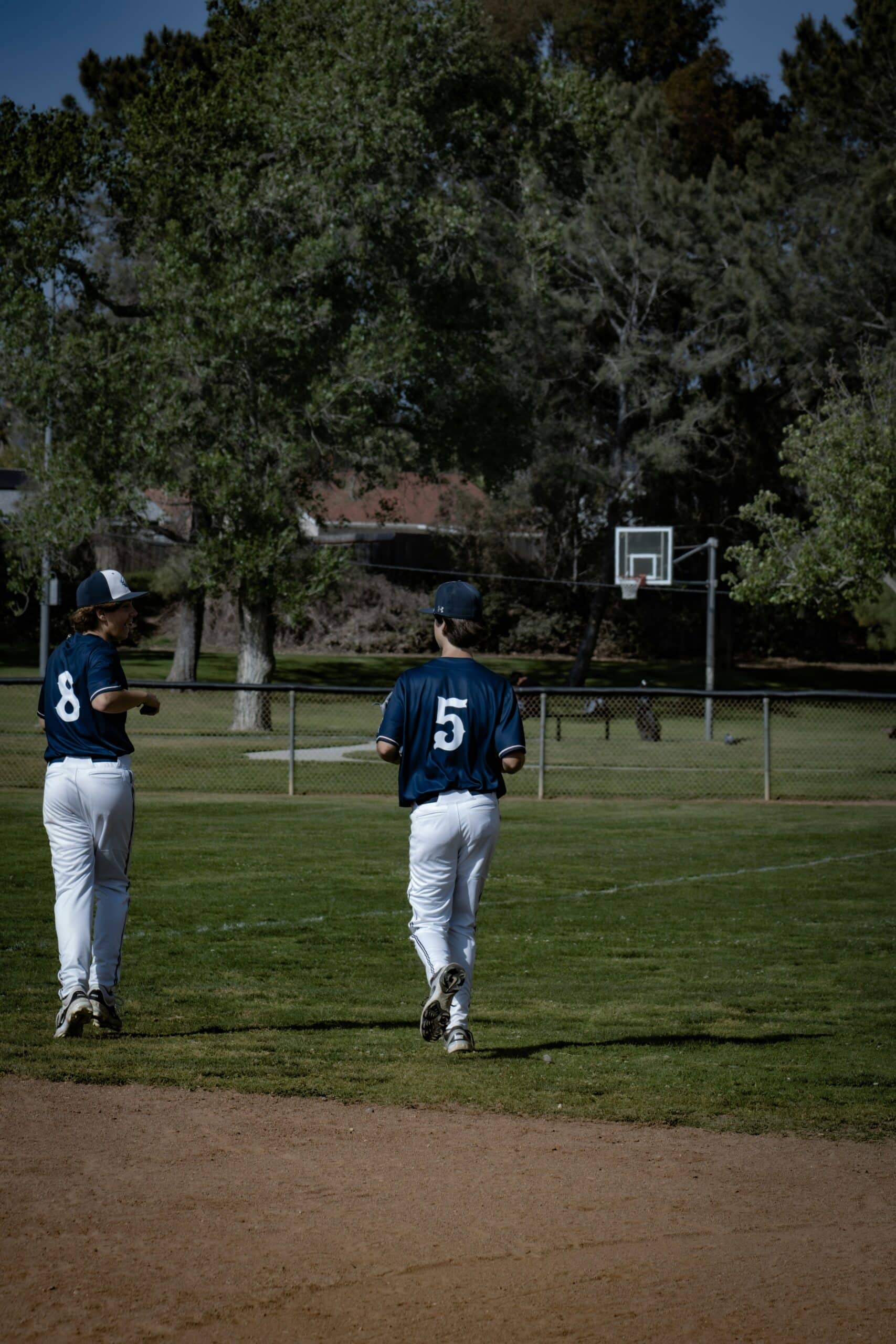
- Foul Pole Jog: Begin with a jog from home plate, down the foul line to the foul pole (on either side of the diamond) and back. Make sure players jog as a team, moving at a pace that everyone can keep up with.
- For a more extensive warm-up, have players jog from home plate to one foul pole, across the warning track to the opposite foul pole, and back to the initial foul pole before returning to home plate.
- Arm Hugs: Players hold both arms extended out to the side (forming a T shape). They swing their arms across the body and hug themselves, gripping each shoulder blade with the opposite hand. Arm hugs warm up the back and rotator cuffs.
- Wrist Circles: With arms extended to the side in a T shape, players rotate their wrists in a circular motion forward and backwards to loosen up the joints. Wrist flexibility is important for throwing, hitting, fielding, and pitching.
- You can set a certain number of repetitions (typically 10-20 circles) or a defined period of time (ex. 30 seconds per direction) for players to follow.
- Arm circles: The same concept as wrist circles, but with the full arm to loosen the shoulder. For arm circles, start with small, tight rotations, gradually increasing to longer, bigger rotations for a complete stretch.
- High Kick: Players walk in a straight line, kicking one leg straight up and out while reaching with the opposite hand. Instruct players to visualize kicking their opposite hand with each leg. This stretches out the hamstring and hip flexors.
- Superman Lunge: Players step forward and balance all weight on one leg, lunging and reaching out with the arm of the same side as their planted leg. The opposite leg raises straight behind the player. When completing this exercise, players should lunge, hold, and then step forward with the opposite leg, repeating the lunge with each step.
- Lunge with Twist: This variation of a walking lunge involves players lunging forward so their plant leg is at 90 degrees with a vertical shin facing forward, and the back leg at 90 degrees with a horizontal shin facing the ground. Once in the lunge position, players twist their body to each side. Continue walking forward, completing a lunge and twist with each step.
- High Knees and Butt Kickers: These two warm-ups go hand in hand and should be completed back-to-back. High knees involve players jogging slowly while bringing their knees as high toward their chest as possible. Butt kickers are similar, but players focus on kicking their butts with each step.
Drills
Skill development is a primary goal of any baseball practice. The best way to develop skills is through targeted drills. Your drills should be adaptable based on players’ current skill levels and any unexpected challenges during practice. An 8U coach should focus on fundamental, basic drills while more advanced levels incorporate complex drills that match their skill level.
To get the most out of the drill block in your practice plan, use a station-based approach. Break players into small groups, rotating them through stations of different drills. Stations give each player more repetitions and allows you to move through multiple skills more quickly. They keep players engaged and focused in short bursts with less time standing around waiting.
No matter the level of play, your drills should focus on core fundamental skills including:
- Throwing mechanics and fielding
- Hitting
- Base Running
- Pitching
Fielding & Throwing
Fielding and throwing are the two fundamental defensive skillsets in baseball, and every practice plan should incorporate drills to build, improve, and hone players abilities.
Throwing
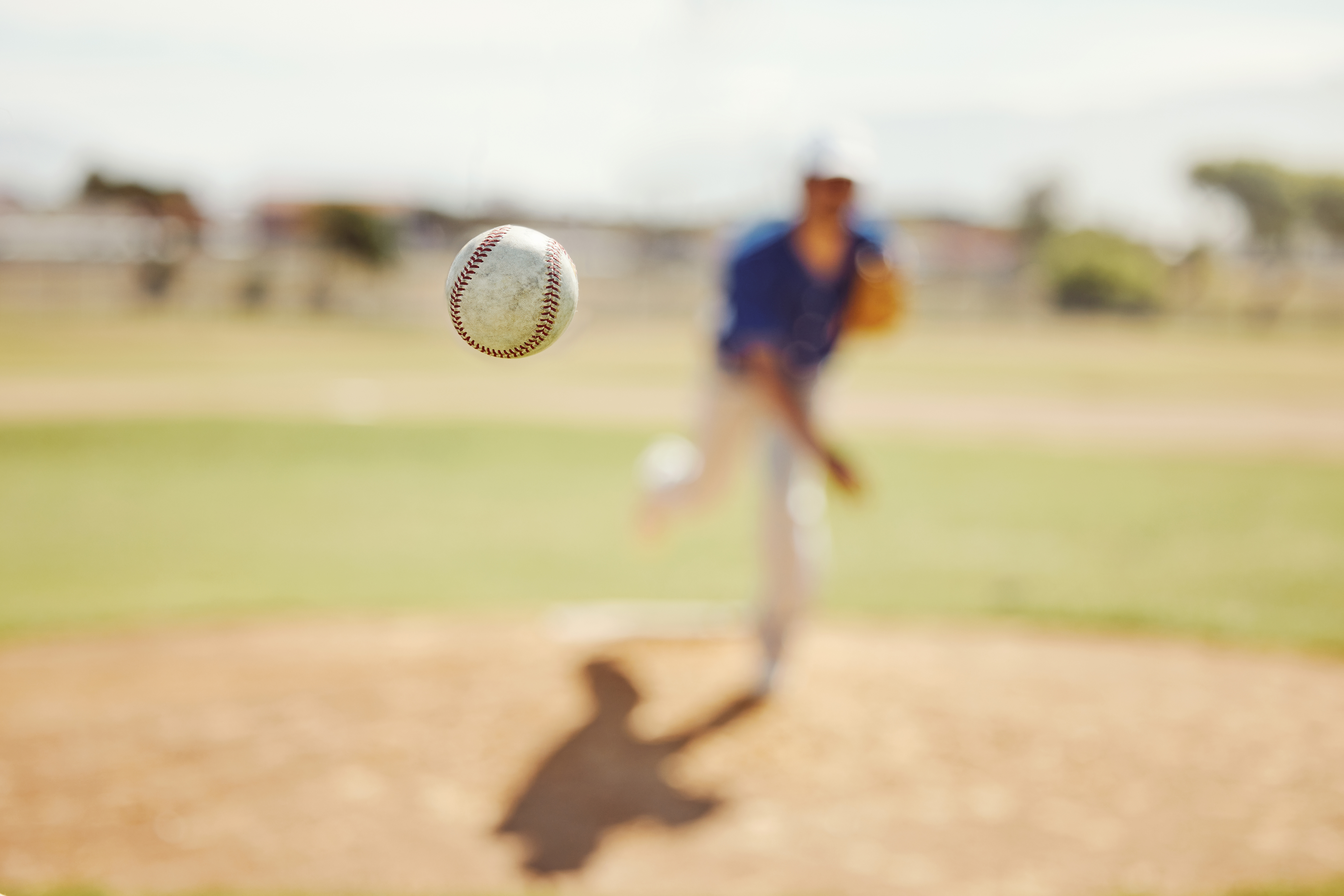
Focus on technique during throwing drills, working on proper form and mechanics to maximize arm strength and accuracy. Depending on the skill level you’re working with, this could range anywhere from basic throwing drills with extensive instruction to advanced relay drills and progressions. Players should pair up with a partner for a majority of these drills.
Throwing drills may include:
- Knee throw drills: Working on mechanics and form while throwing off one knee, freezing at each major part of the motion.
- Throwing progressions: Various throwing drills that build off one another for a well-rounded, focused sequence. Some drills may include rotational throws, the rock and fire drill, the shuffle and throw drill, and quick transfers. Players should focus on making accurate throws throughout their progressions.
- Power throwing drills: Drills like backside leg hops and explosive weight transfers work on maximizing the transfer of weight in players’ throwing motions to get more power.
- Relay drills: Split players into small groups and have them line up equal distances apart. Each player in the line (aside from those at the very end) simulates a cutoff man. Work on relaying the ball all the way down the line and back.
Fielding
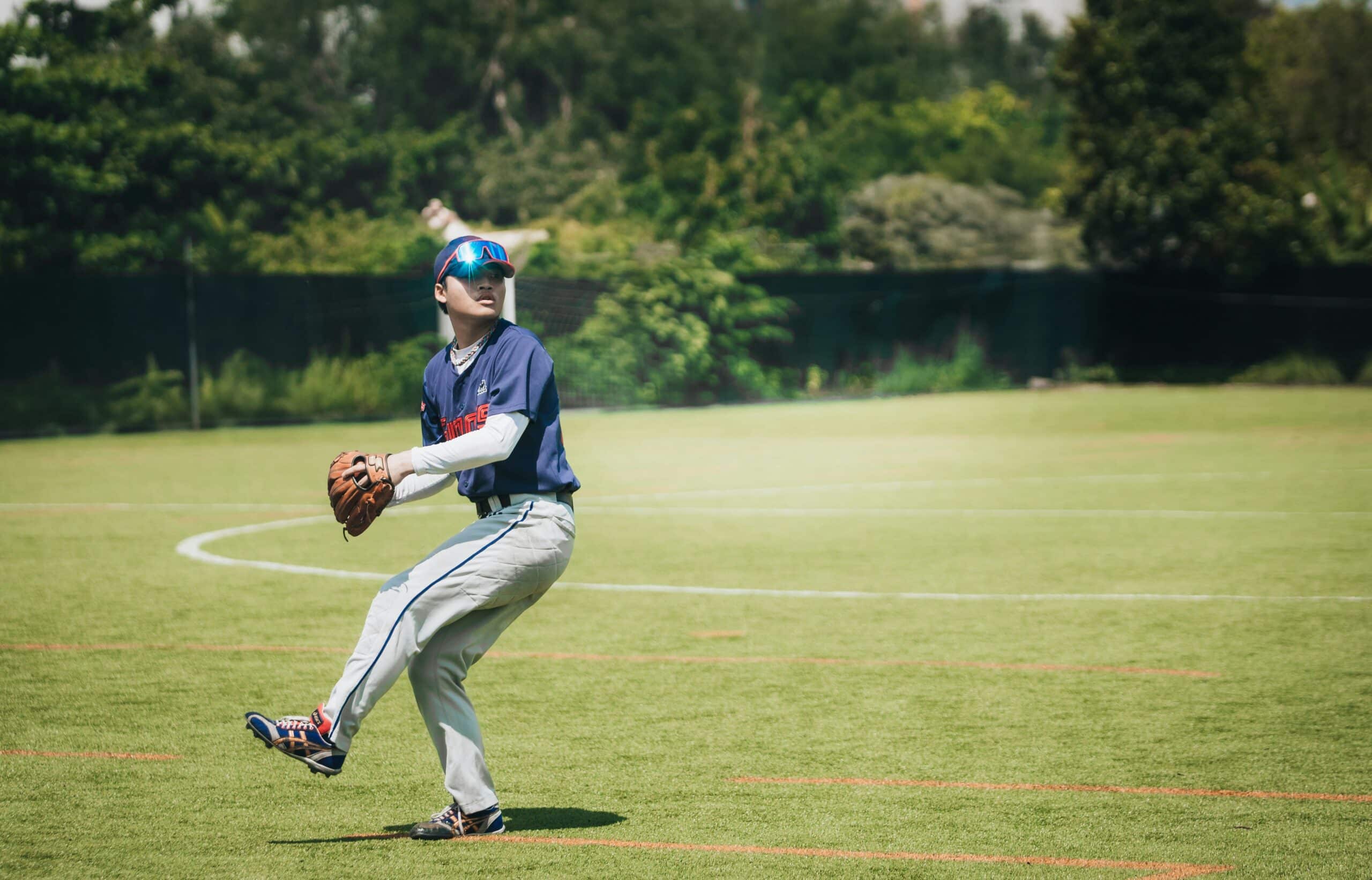
Drills for fielding practice should include both infield and outfield fundamentals. Practicing both ground balls and fly balls through repetition of drills improves players’ defensive abilities.
Infield drills may include:
- Footwork drills: These drills focus on proper footwork in approaching ground balls. One example is approaching a ground ball by stepping with the throwing arm first. For right-handers, they would step toward the ball with the right foot followed by the left.
- As a coach, use the phrase “step-step, tap-tap“ to explain the drill. Step with each foot, and then tap the ground twice to get into a strong fielding position with the glove touching the ground.
- Momentum drills: Using cones, instruct players on how to properly round the baseball when fielding to have momentum when throwing it.
- Fundamental glovework: Have players pair up and work on improving their glove by throwing short hops to one another, back and forth, to the glove side, back-hand side, and straight up. Practice range by moving farther apart and rolling ground balls in each direction and short ones to simulate slow-rollers.
Outfield drills may include:
- Pop up toss drill: Players are positioned on their knees and coaches throw short pop ups, with players working on proper glove positioning and receiving the ball cleanly.
- Fly ball competition drill: Each player gets a ball and tosses it in the air to themselves, where they have to catch it using proper technique. The first player to reach a certain number of catchers (usually 5 or 10) wins.
- Zig zag drill: Laying cones out in a zig zag pattern, players run to one cone to field a fly ball thrown by the coach. Then, they rotate their body using the outside leg as a pivot foot, and run to the next cone to receive another fly ball thrown by the coach. Running through all the cones takes players in a zig zag pattern.
- Communication drills: Either throw the ball, use a pitching machine, or hit the ball with a fungo bat to send fly balls in between two players. The players have to work together to clearly communicate who will catch the ball, avoiding any collision.
In younger age brackets, players should split time between all positions. While players can split time between outfield and infield, more advanced, competitive leagues and high school programs likely define specialized positions for players.
- If you have a first baseman that lacks speed, agility, and the ability to track fly balls, there’s no point in having them work through outfield drills. A more versatile player may play shortstop one game and center field the next, so they need to participate in both infield and outfield drills.
Batting
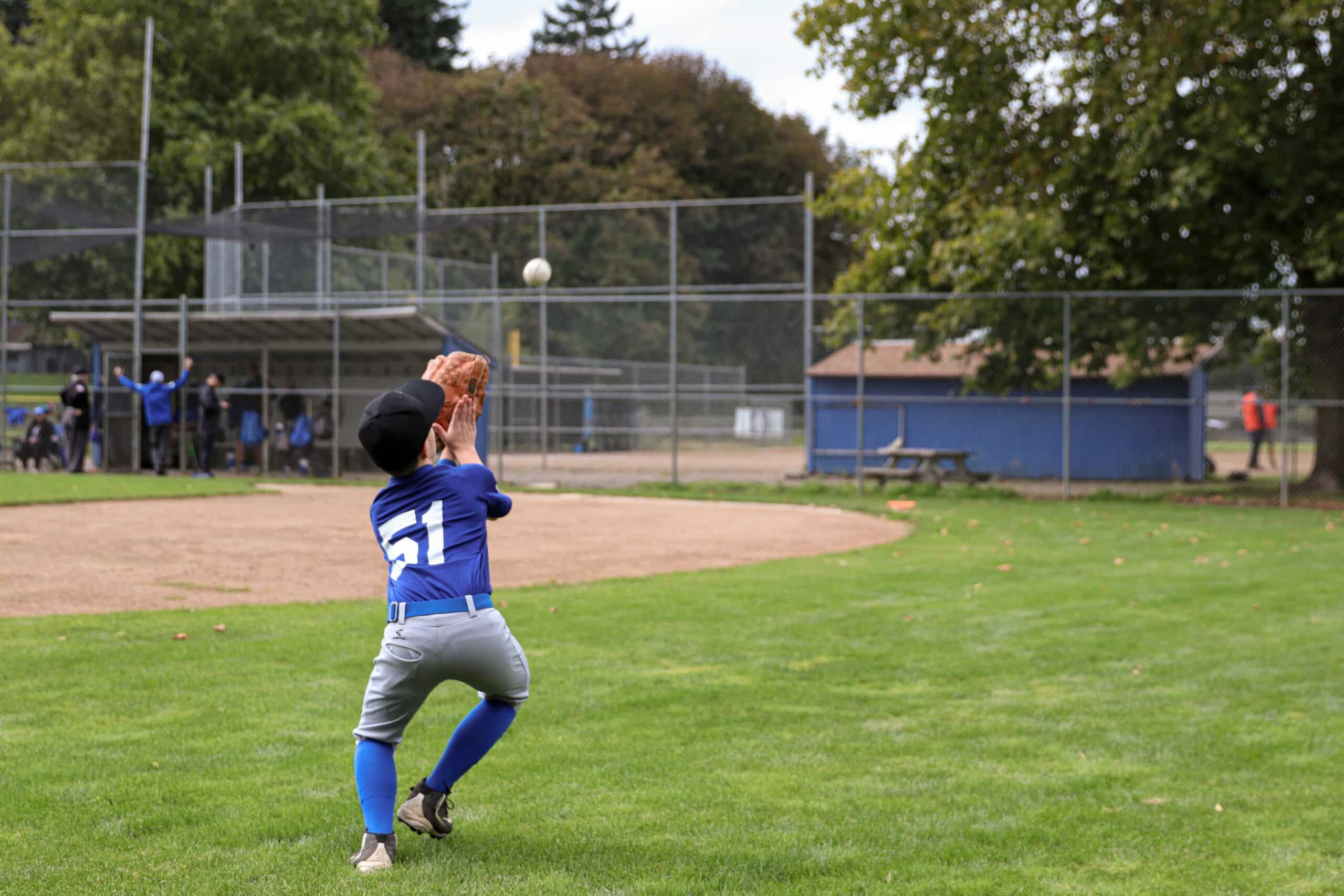
Batting practice and hitting drills should be a cornerstone of your practice plan. A productive offense, whether through explosive outbursts or sound situational execution, is key to a competitive team. Hitting practice should take up a significant portion of your practice, between drills, live BP, and scrimmage at-bats, helping players stay consistent and develop their batting skills effectively.
Build the offensive segment of your practice in a logical progression. Incorporate tee work and soft toss drills to help players focus on swing mechanics before facing any live pitching.
Batting drills may include:
- Tee work drills: Players hit off of a tee to work on various components of their swing, and learn to attack pitches in different parts of the strike zone.
- Soft toss: Have a player or coach kneel down next to the batter and toss the ball sideways. As with tee work, soft toss drills can focus on multiple components of the swing.
- Front toss: Similar to soft toss, but have a player or coach sit behind a protective screen in front of the batter and underhand toss the ball forward. This helps visualize the ball coming from the same direction as a pitcher would throw without actually pitching the ball.
- Situational hitting drills: Coaches call out different situations during batting practice, such as two strikes or hit and run, and the hitter must adjust their approach according to the situation.

Base Running & Agility
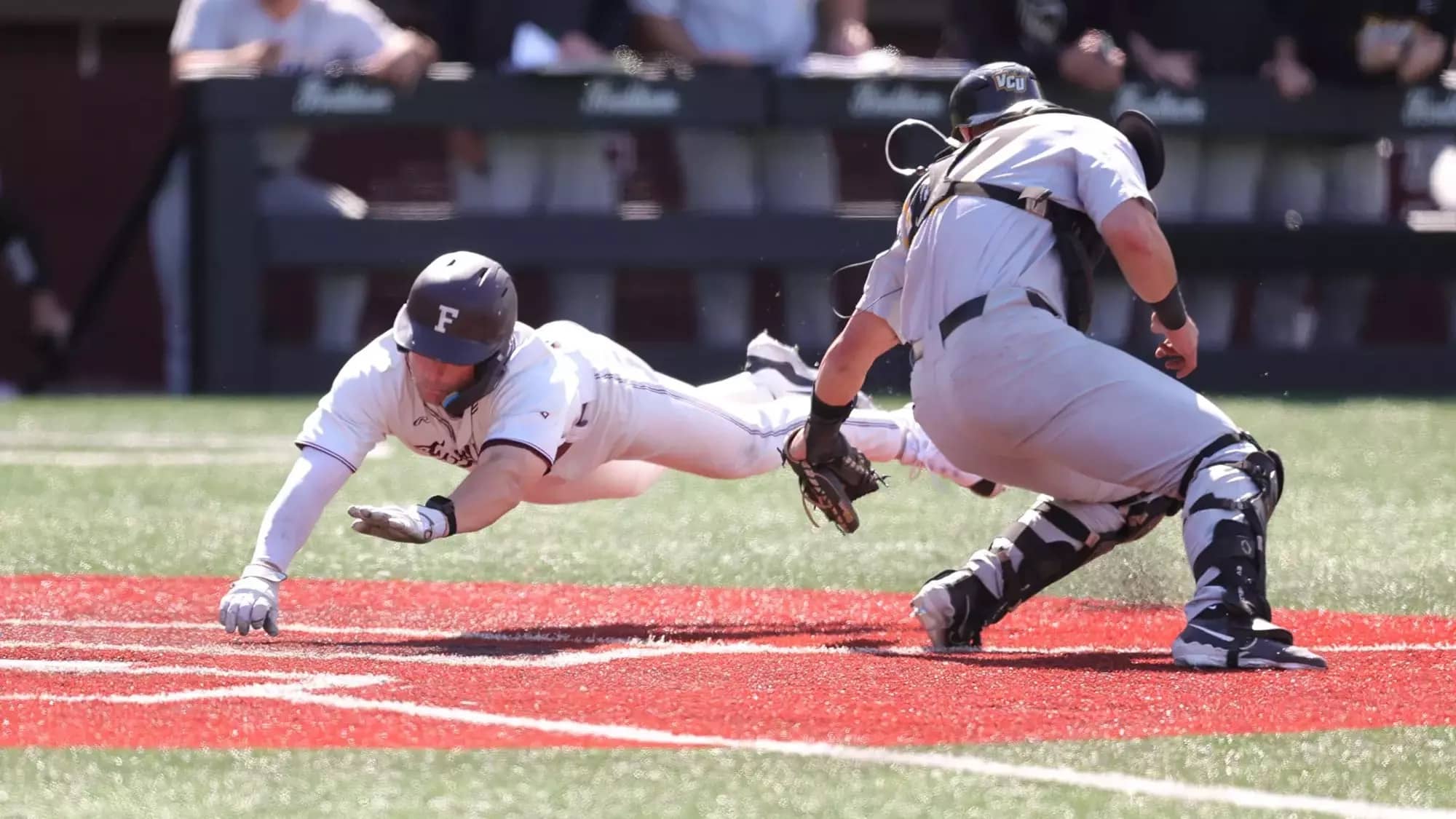
Smart base running can produce crucial runs in close games. On the flip side, mistakes on the base paths cost your team valuable runs. Any productive baseball practice plan incorporates base running drills and agility work.
Agility drills can enhance players’ speed and reaction time, benefiting them in multiple components of the game.
Base running and agility drills may include:
- Base running drill circuit: Players go one-by-one, running through the full base running circuit. A sample circuit may be:
- 1. Beating out a ground ball to first base
- 2. Rounding first base on a single to the outfield
- 3. Running out a double from home to second base
- 4. Running out a triple from home to third base
- 5. Running from home base, around all the bases, back to home base
- Tag ups: Players practice tagging up, making sure to stay on the bag until the ball is clearly caught and exploding out of their stance.
- Run down drills: Players practice getting caught in a run down, with either coaches or other players acting as fielders.
Pitching
Pitching is an important segment of baseball practice for more advanced teams. Younger leagues like tee-ball and coach pitch youth teams don’t need to touch on it yet, but any level above that incorporates some version of players pitching.
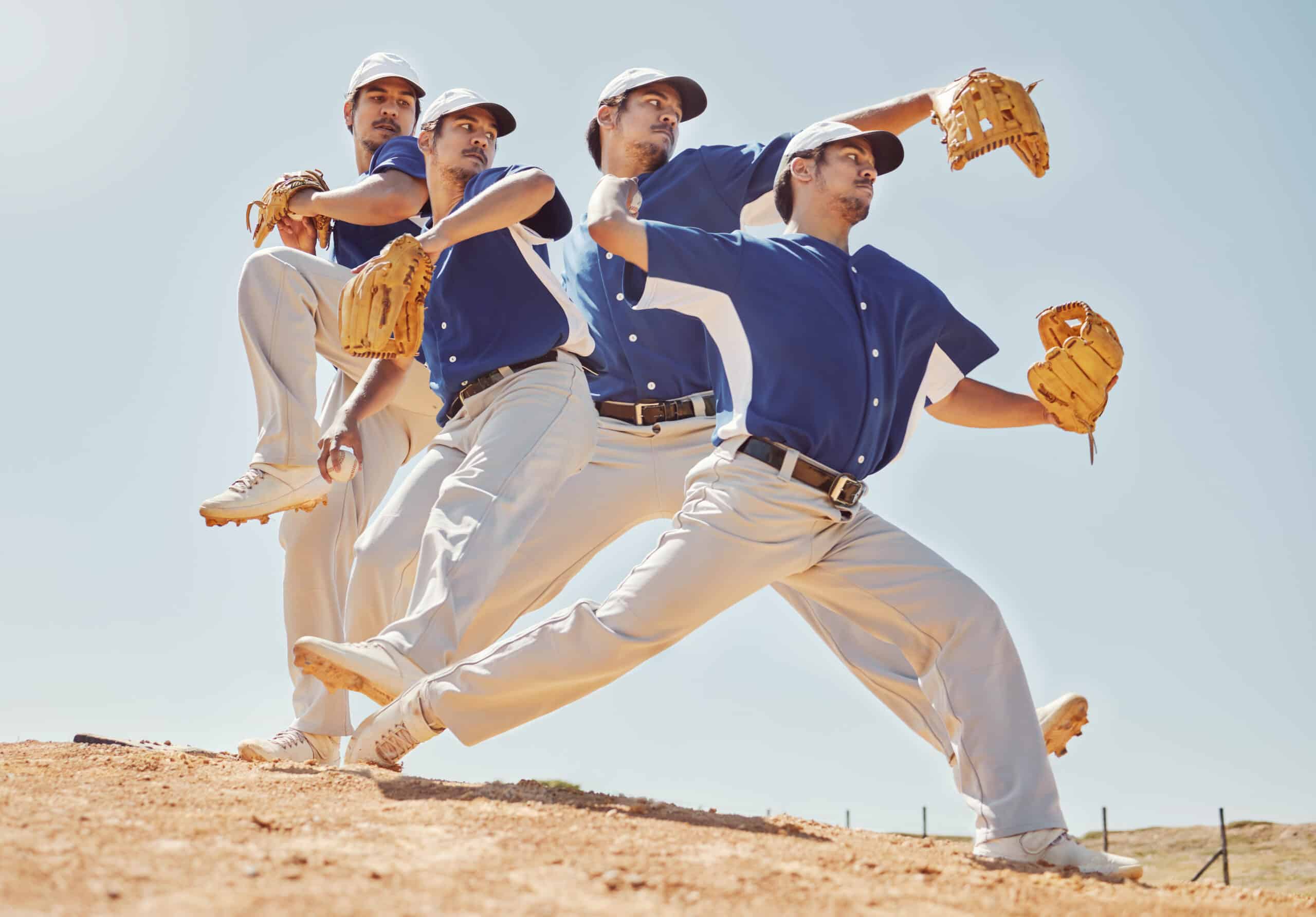
When determining how to structure the pitching portion of your practice, be sure to emphasize mechanics, lower body power, and command. These skills and abilities enhance your pitchers’ overall performance.
Pitching drills may include:
- Finish drill: Start in the cock phase, with the pitcher’s front foot already planted. Rock the arm back and forth to get in a rhythm then throw the ball, focusing on following through the finish.
- Rocker drill: With both feet planted pitchers rock back and forth, transferring their weight forward and back. After a given number of “rocks” the pitcher throws the ball, properly transferring the weight from the back side to the front. Some coaches have players start with a rock forward, then back, before throwing the ball. Others prefer to have players rock back and forth a given number of times (ex. Three rocks forward and back) before throwing.
- Load and go: Pitchers start from the stretch and stop when they hit their balance position. Then, they shift their front leg from balance position down to just before their foot hits the ground and back up to balance position. Repeat this up-down motion three times before striding forward, throwing the ball, and following through.
- Grip practice: A coach calls out specific baseball pitch grips and players must adjust their fingers to that grip as quickly as possible. This helps players work on transitioning grips without tipping pitches.
Situational Practice and Game-Simulation Scrimmages
To prepare for the pace and intensity of live game action, baseball practice plans should include segments for situational practice and simulated games/inter squad scrimmages.
Situational Drills
Situational drills prepare players for possible scenarios they’ll encounter throughout the game. It builds decision making skills and helps them anticipate certain situations.
Some examples of situation drills include:
- First and third
- Bunt defense plays
- Ground balls between first base, second base, and the pitcher
- Hit and runs
- Infield in
Game Simulations and Inner-Squad Scrimmages
Scrimmages and other variations of game simulations are as close to a real game as possible in practice. Pitchers get work on the mound against batters, hitters get to face live pitching, fielders face unpredictable game-like reps, and numerous situations arise that test players' pre-pitch communication and decision making skills.
Inner squad scrimmages involve splitting your team into two “squads” that compete against one another. Typically players pitch in these scrimmages, but certain scenarios call for coaches to pitch. There are other scrimmage variations like soft toss or hitting off a tee. In these instances, players still get live action reps without putting stress on your pitchers’ arms.
These segments of practice will vary depending on age group and experience level. Younger teams should focus on getting players comfortable facing live pitching and participating in a game-like situation. More advanced, experienced teams can add competitive stakes to their scrimmages to get more effort and engagement out of players.
It’s important to plan scrimmages around your game schedule. You don’t want to stress your pitching staff, throwing them into live scrimmages, when you have important games upcoming.
Conditioning & Cool Down
Well-rounded baseball practice plans conclude with a brief conditioning session followed by a full-team cool down.
Conditioning
Conditioning is important to boost players' longevity and keep your team physically prepared. Even though baseball doesn’t involve as much running as other sports, durability and stamina is still essential.
When you reach the late innings of a game, a team that’s physically prepared and well conditioned will perform better. Whether it’s chasing down a deep fly ball in a gap, getting a good jump on the base paths, fighting through a long at bat, or powering through late innings on the mound, a well-conditioned team is ready to play their best in the biggest moments.
Conditioning drills may include:
- Two base race: Split the team into two groups – one at home plate and one at second base. Have one player from each team go on a coaches command and race the other player. The player from home plate runs to second base and the player from second base runs home. Whoever gets their first wins the point. After each player goes, the team with the most points wins.
- Sprints
- Pushups
- Burpees
- Bear crawls and backwards bear crawls
- Running poles
Cool Down
Conclude your practice session with a team cool-down to ensure proper recovery for players. It helps them bridge the gap from an active phase to resting.
An effective cool down for baseball practice involves primarily static stretches to reduce muscle soreness, lower players’ heart rates, prevent injuries, and maximize recovery. It shouldn’t last more than 5-10 minutes.
Cool down exercises may include:
- Hamstring stretches
- Forearms stretches
- Butterfly stretches
- Toe touches
- Tricep stretches
BONUS: Post-Practice Huddle
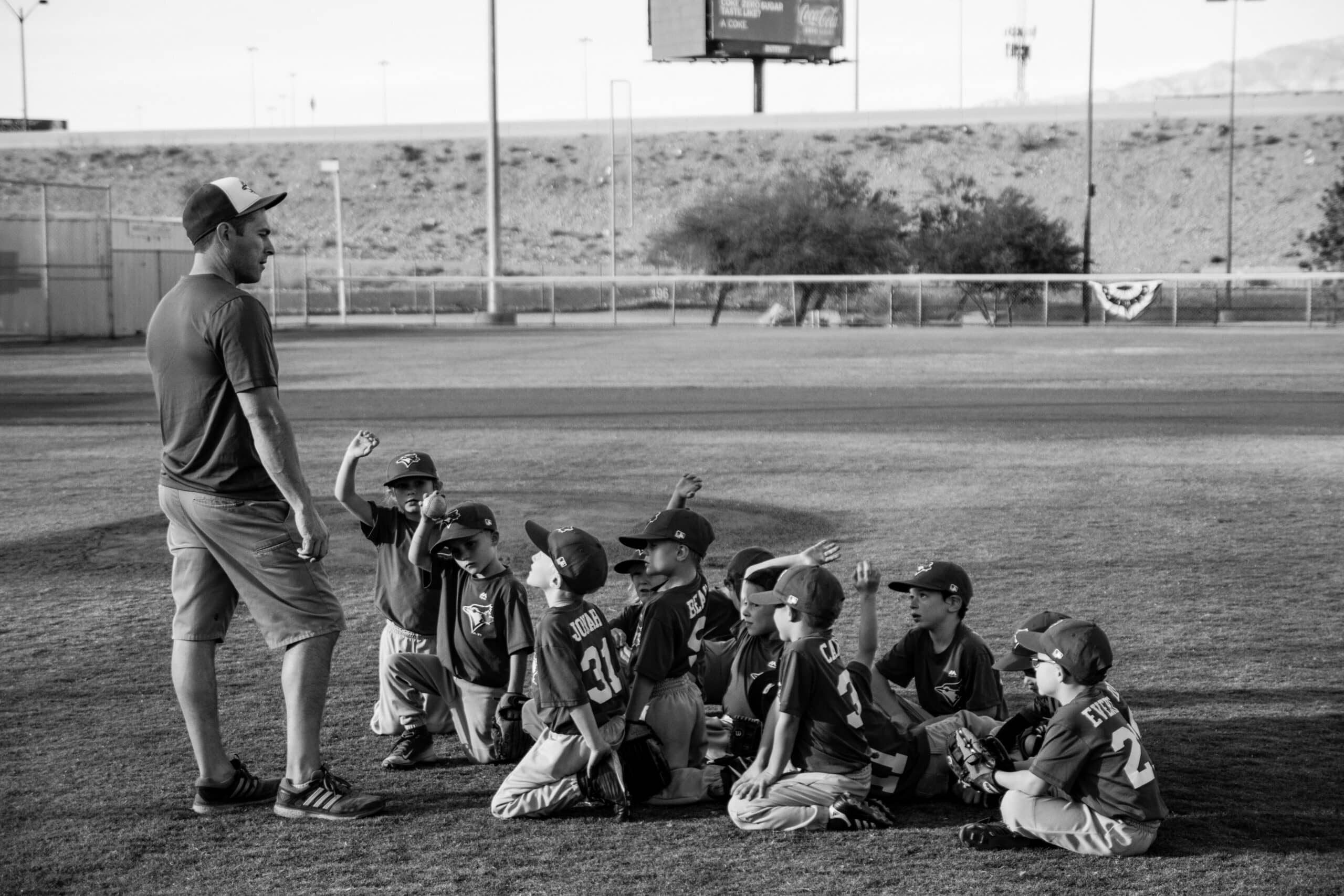
Once the team’s cool down is complete, gather all of your players for a post-practice huddle.
With the entire team in one place, you can:
- Review the day’s practice
- Highlight positive moments to encourage players
- Discuss areas of focus where the team needs to improve
- Cover any important information about upcoming games and opponents
This isn't technically baked into your practice plan, as it’s more flexible and doesn’t require the same efficiency as on-field activities.
If you’re crunched for time and another team has reserved the field after your slot, you can hold your post-practice huddle somewhere off the field. This allows you to cover everything you need without disrupting the other team’s practice schedules.
What Equipment Do You Need For Baseball Practice Plans?
To create a practice plan for your baseball team, you don’t need any special equipment. At the core, practice plans are about maximizing your allotted practice time to work towards defined goals.
You can accomplish this with pen and paper.
- First, define what goals you want to accomplish within a specific practice and how you want to structure practices in general.
- List the various drills and activities that work towards those goals.
- From there, break drills and activities into segments separated by shared characteristics.
- Dedicate a specific amount of time to each segment by priority.
- Make sure the time of all segments adds up to your allotted practice time and doesn’t go over.
Other tools you can leverage to create baseball practice plans include:
- Spreadsheets
- Pre-made templates
- Coaching apps
Outside of scheduling tools, quality gear enhances performance during every session on the field. To get the most out of your practice plans, there are a few pieces of equipment that help:
| Equipment | Purpose |
| Fungo Bat | Helps coaches hit grounds and fly balls accurately during fielding practice |
| Stopwatch | Tracks various metrics in base running, defense, and conditioning |
| Timer | Helps ensure coaches stick to the prepared schedule |
| Pitching machine | Can be used to throw fly balls to outfielders, batting practice to hitters, and various catching drills |
| Ball buckets | Help keep baseballs together during drills and accessible as you progress through different practice segments |
| Field cones | Can be used for drill work, conditioning, agility drills, and other purposes |
Examples of Baseball Practice Plans
Below are examples of baseball practice plans for different age groups and experience levels, including:
- Beginners (6U, 7U, 8U, & 9U)
- Little League & Intermediate Youth Travel (10U, 11U, 12U, & 13U)
- High School (14U, 15U, 16U, 17U, & 18U)
Beginners (6U, 7U, 8U, & 9U)
| Block | Duration | Focus | Activities |
| 1 | 10 minutes | Warm up |
|
| 2 | 20 minutes | Throwing |
|
| 3 | 20 minutes | Fielding |
|
| 4 | 20 minutes | Hitting |
|
| 5 | 20 minutes | Base Running |
|
| 6 | 20 minutes | Situational Practice & Game-like Scenarios |
|
| 7 | 10 minutes | Conditioning |
|
Little League & Intermediate Youth Travel (10U, 11U, 12U, & 13U)
| Block | Duration | Focus | Activities |
| 1 | 10 minutes | Warm up |
|
| 2 | 20 minutes | Throwing & Pitching |
|
| 3 | 20 minutes | Fielding |
|
| 4 | 20 minutes | Offense |
|
| 5 | 20 minutes | Base running |
|
| 6 | 20 minutes | Situational Practice & Game-like Scenarios |
|
| 7 | 10 minutes | Conditioning & Cool Down |
|
High School (14U, 15U, 16U, 17U, & 18U)
| Block | Duration | Focus | Activities |
| 1 | 10 minutes | Warm up |
|
| 2 | 20 minutes | Throwing |
|
| 3 | 20 minutes | Fielding |
|
| 4 | 20 minutes | Hitting |
|
| 5 | 20 minutes | Base Running |
|
| 6 | 20 minutes | Situational Practice & Game-like Scenarios |
|
| 7 | 10 minutes | Conditioning |
|
7 Tips to Structure Effective Practice Plans for Baseball
Structuring a daily or weekly practice plan tailored to your team’s goals is much easier said than done as a baseball coach. While you can follow steps to define your goals and put together a practice plan that maximizes the time you have, there are a few ideas to consider.
Here are 7 tips to help structure effective baseball practice plans for your team:
- Constructive feedback is crucial for player development
- Maximize practice time
- Plans need to be adaptable and flexible
- Schedule separate strength training sessions
- Incorporate mental training
- Structure practice plans strategically
- Empower your players
1. Constructive feedback is crucial for player development
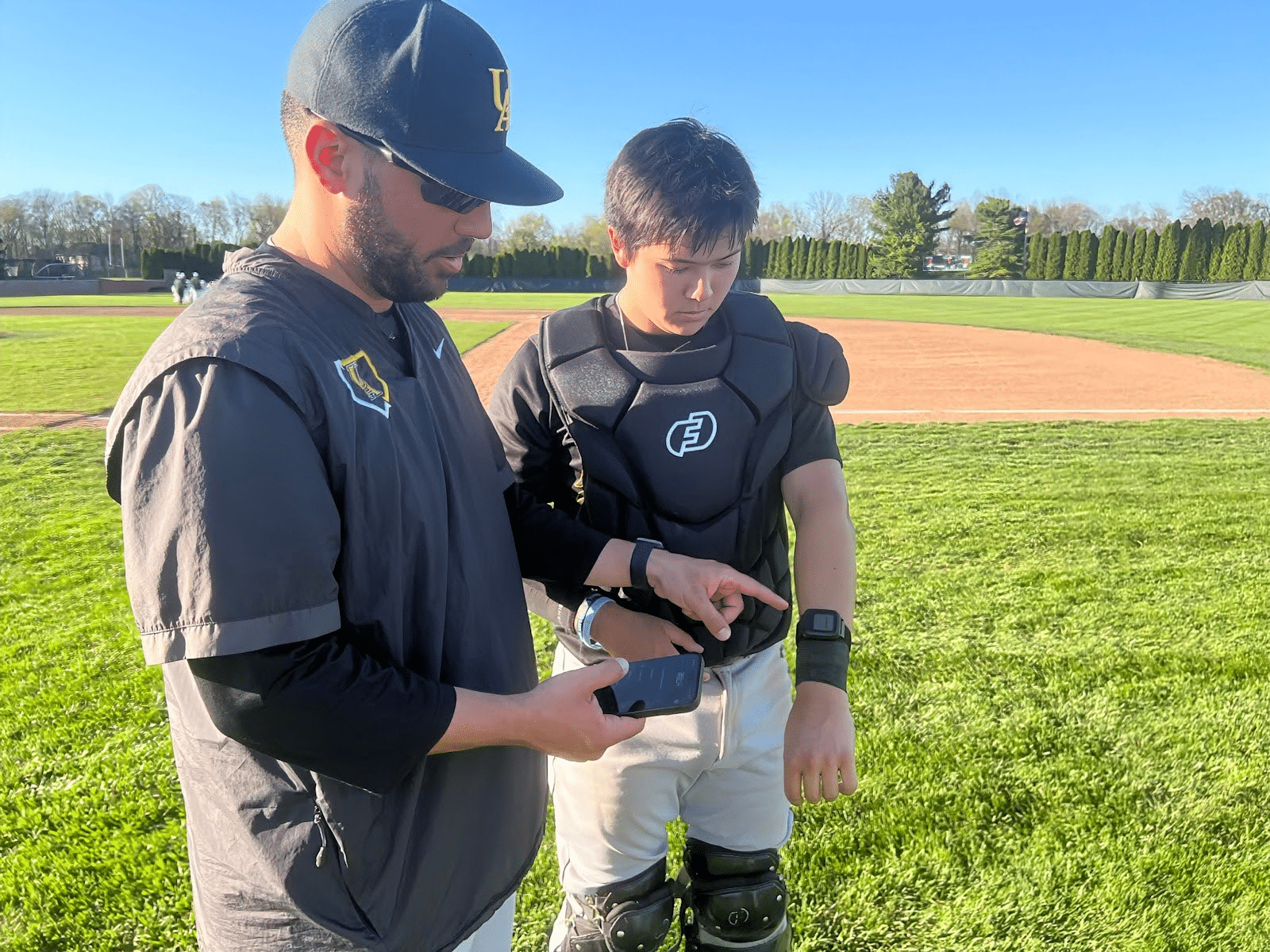
Critical and constructive feedback is the only way players can get better. Skill development relies on constructive feedback informed by performance in games, effort and focus in practice, stats, and analytics. Regularly assess players and provide appropriate feedback throughout practice to track progress and keep players sharp.
2. Maximize practice time
Some teams have more than two hours of practice time, others have less than one hour. A team with structured practice plans can get more out of one hour than a disorganized team accomplishes in three.
It’s crucial to maximize the time you have and limit wasted time between drills. Station-based drill blocks and breaking players into smaller groups accomplishes more in less time and keeps players engaged.
3. Plans need to be adaptable and flexible
While you want a defined schedule, not everything goes according to plan. Adaptable practice plans help coaches respond to unexpected challenges throughout sessions.
If something you weren’t planning for pops up, like a quick thunderstorm or players taking longer than anticipated to complete a drill, you need to be able to adjust your practice plans. That way, you can do as much as possible toward accomplishing your goals and still have a successful practice.
4. Schedule separate strength training sessions
Drills and instruction help players throw and hit with more power, but the only way to maximize strength is through training sessions separate from practice. Building muscle through strength training increases power in all aspects of the game, and also increases players’ overall athleticism while preventing injuries.
For young players and age brackets, incorporate simple, safe strength training exercises into practice. If you coach advanced levels with more developed bodies, design a 1-2 day per week strength training program for your team outside of allotted practice time.
5. Incorporate mental training
“Baseball is 90 percent mental. The other half is physical” - Yogi Berra.
Fundamental skills and physical performance is an important component of baseball practice, but it’s easy to overlook the mental aspect of the game. The best players are mentally sound, whether it’s an elite understanding of game strategy or an ability to drown out the noise and perform confidently in high-pressure situations.
Incorporate different segments of mental training within your baseball practice plan. Some examples include:
- Teaching players visualization helps boost focus and confidence as they envision success on the field
- Introduce breathing and relaxation techniques to help players stay calm in high-stakes moments and control their emotions
- Encourage positive self-affirmations where players work to replace any negative thoughts with positive ones that can help improve their mindset
- Apply pressure situations during practice, whether in scrimmages or game-like simulations. Placing players in high-stress situations during practice prepares them for big moments in games.
6. Define goals and strategically structure practice plans
One of the most important factors of a successful practice is defining clear objectives to work toward. This gives you specific initiatives to structure your practice around.
In general, practice should be structured to maximize player engagement and skill retention. This is most effectively accomplished through a mix of organized drill progressions, detailed instruction, and game-like situational scenarios.
In more competitive leagues, coaches use practice plans to prepare teams for specific upcoming opponents. If your next opponent tends to play small ball and executes specific situations, bake them into your practice plan so your team is prepared for everything thrown their way.
7. Empower your players
Practice is the perfect time to empower your players, allowing them to take ownership of their responsibilities and processes. From warm ups through cool down, have players lead the way and work together to grow as players and people on and off the field.
Encourage players to take charge. Whether you designate captains or let the leaders make their way to the front of the pack, introduce your team to the warm up routine and have players complete the process independently. At the drill phase of practice, have players work on each drill independently with coaches overseeing the process.
When discussing strategy and situational awareness, allow players to contribute to the conversation. Don’t over instruct your team. Coaches guide the discussion, but players should provide a majority of the input (depending on experience level). They’re more likely to retain information as an active participant versus a one-sided coach-led lecture.
FAQs About Baseball Practice Plans
What Should A Good Practice Plan Include In Baseball?
A good baseball practice plan includes:
- Warm-ups
- Drill work (hitting, fielding, pitching, and base running)
- Situational practice
- Game simulations and scrimmages
- Conditioning
- Cool down
- Post-practice huddle
What Are The 6 F’s In Baseball?
The 6 F’s in baseball describe the process of fielding a ball. The 6 F’s include:
- Feet: Feet should be in proper position with a good base
- Field: Good position for actively receiving the ball
- Funnel: “Funneling” the ball in from receiving position and preparing to throw
- Footwork: While feet covers fielding position, footwork focuses on moving toward the target when throwing the ball
- Fire: The act of throwing the ball to the proper place
- Follow: Making sure to follow through toward the target after throwing
What Is The 80% Rule In Baseball?
The 80% rule in baseball takes the Pareto Principle, which states that 80% of results come from 20% of the causes, and applies it to the sport. Baseball’s 80% rule states that 80% of results in a baseball game comes from 20% of skills.
For baseball coaches and players, that means the core fundamentals serve the 20% of skills that lead to 80% of all results in the game. It emphasizes the importance of mastering the basics for on-field success.
How Do You Structure A Baseball Practice?
A baseball practice should be structured in organized segments that build off one another. One surefire way to structure baseball practice plans is through this progression:
- Warm ups
- Drills and fundamental position work
- Situational practice
- Scrimmages
- Conditioning
- Cool down
Improve Your Team With GoRout’s Free Baseball Practice Plans [PDF Download]
GoRout’s free baseball practice plans are useful resources that reduce the amount of thought for coaches. With an easily downloadable, free PDF file, you can have a structured template with ideas for segments and drills. You can follow the plans exactly as they exist or create your own modifications to fit your team.
With the click of a button, you receive four PDF files to your inbox, including a:
- Blank template for general baseball practice plans
- 6U-9U practice plans for tee-ball, coach pitch, & beginner leagues
- 10U-13U practice plans for little league & travel teams
- 14U-18U practice plans for high school & advanced club programs
Baseball Practice Plan Template
This template allows you to create your practice, your way. Download today to have a free, easy to use template to create efficiency in setting up and running your practices.
6U-9U Baseball Practice Plans: Tee-Ball, Coach Pitch, & Beginners
Your entry level drills and practice plan. This practice is designed to help beginner athletes develop their skills and learn the game of baseball.
10U-13U Baseball Practice Plans: Little League & Travel Teams
In this plan, we add in entry level pitching drills. The groundwork of baseball is still essential here and the focus will be to develop fundamentals.
14U-18U Baseball Practice Plans: High School & Advanced Club Programs
Our high school level practice plan. Developed for teams and athletes that are of advanced skill level and are looking to fine tune their skills.


