The Best Baseball Training Tools For Every Player And Skill Level
Reading Time: 11 minutes


Reading Time: 11 minutes
As a baseball coach, you want your players to improve, and the right baseball training accessories make that possible. Baseball training equipment has evolved far beyond simple tees and gloves.
Modern baseball training aids target every part of a player’s game, from hitting power and throwing accuracy to defensive speed. This helps them train smarter, getting the most out of their time and effort.
The best baseball training tools help athletes develop skills faster and with more precision at any level of play. Training doesn’t need to be complicated, as long as it’s focused, consistent, and supported by the right equipment.
As you explore today’s baseball practice equipment, you’ll find tools that combine traditional drills with new technology to improve timing, coordination, and strength. Some of the most effective tools use digital feedback to turn practice into real-time learning.
From weighted balls that build power to nets and swing trainers that fine-tune mechanics, each piece of gear helps you measure progress and build athletes’ confidence.
This guide walks through the essentials that fit team goals, space, and budget. You will see how to sharpen hitting, enhance pitching, and strengthen field defense with gear built for youth, amateurs, and advanced competitors alike.
The Basics of Modern Baseball Training Tools
You live in a time when baseball training tools are more advanced and accessible than ever. These tools help your players build stronger fundamentals, improve reaction speed, increase stamina, and track progress with real data.
Whether they are working on their swing, throwing motion, or footwork, the right equipment keeps their practice focused and consistent.
Structured, tool-based practice benefits players at every level. If they are beginners, tools like batting tees, agility ladders, and rebound nets help them repeat drills safely and correctly.
Experienced players use bat sensors, weighted balls, and video analysis to fine-tune small details that make a big difference on game day.
Coaches gain just as much value, if not more, than players. Using shared data and consistent training stations, you can measure improvement, adjust routines, and keep players engaged. It also helps maintain safety and reduce injuries through better warm-ups and recovery practices.
This guide is organized to help you match tools to your players’ needs. You will see which ones develop hitting, fielding, pitching, and speed skills most effectively.
Essential Baseball Training Tools For Hitting
Improving a baseball player’s hitting skills takes the right tools, steady practice, and proper technique.
With the right equipment, you can help them improve their swing mechanics, boost bat speed, and build consistency at the plate.
Best tools for swing mechanics and bat speed
Start with a batting tee. A sturdy, adjustable tee helps you work on contact points and strike zone coverage. High-quality models are durable and remain stable through hard swings.
Weighted bats and training sticks are great for increasing bat speed and strength. When you alternate between heavier and standard-weight bats, your players’ muscles adapt, leading to faster, more controlled swings.
Soft toss nets allow players to practice hitting tosses from a partner or off a tee. Without having to chase and collect the balls, players get more practice reps in.
Tools for timing, pitch tracking, and reaction
To sharpen reaction time, use pitching machines that throw different pitch types and speeds. They help you work on timing and pitch recognition.
Another helpful option is a reaction ball, which challenges your athletes’ coordination and focus. These tools encourage quick adjustment and better rhythm during live games.
Reaction balls are normally used for fielding practice, but can benefit batters by working on hand-eye coordination.
How to pick hitting tools based on age and level
For younger players, use light tees and easy swing tools so they can focus on the basics. Older or more skilled players can start using weighted bats or swing sensors to see how they are improving.
Choose equipment that fits your team’s strength and skill level. Make sure everything is comfortable, safe, and easy to adjust so players can train the right way.
Development Tools For Pitching And Throwing

You can help your players build stronger, more efficient throwing mechanics by using weighted balls. These balls help improve sequencing and arm path when they throw. Have them start with lighter weights before working up to heavier ones to keep their arms healthy.
Medicine balls, water bags, and similar rotation drills also help your players develop explosive lower-body movement that transfers power into their pitch velocity.
Try combining these with mobility work to create a smoother delivery. For more advanced training, explore baseball pitching tools designed to refine pitching motion and provide feedback.
Tools for control and accuracy training
Pitchers who master control gain a major advantage. Use a pitching net or target trainer when you do not have a catcher available. These tools give your players a clear strike zone so they can practice command anywhere.
Devices like radar screens or pocket radars can also help track their velocity and mechanics. Over time, seeing real numbers builds consistency in their release point and direction.
Arm care and recovery tools every pitcher needs
Keeping players’ arms healthy is an important part of their growth. Resistance bands help strengthen the shoulder and warm up the muscles they use to throw.
After they finish throwing, use massage tools or easy recovery exercises to help them stay loose and mobile.
A simple daily routine that includes stretching, band work, and rest helps reduce fatigue and keeps your players ready for the next session.
Tools For Fielding And Defensive Skills
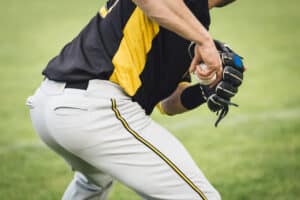
Work on your players’ defensive speed and reaction with tools that build hand-eye coordination and sharp focus.
Soft hands trainers or flat gloves help them field soft tosses and grounders out in front, keeping their hands quiet and their body under control.
Reaction balls bounce unpredictably, teaching them to adjust to bad hops and improve their balance.
Agility ladders and sports cones create drills that strengthen their lower-body quickness and movement angles.
Combining these tools builds natural rhythm in their footwork and improves their ability to field from different positions efficiently.
You can also organize plays or defensive alignments using a wristband playbook to reduce confusion on the field and strengthen game awareness during practice.
Outfield tools for tracking fly balls and angles
For outfielders, focus on tools that train their tracking skills and ability to read a ball’s path.
Using cones can help them practice running routes to line drives or deep flies. Incorporate agility ladders to keep their feet light and ready to change direction.
A rebound net or pop-up system allows you to simulate fly balls and work on timing their catches. Pair that with a partner tossing tennis balls to help them develop better reaction time and coordination.
Catcher-specific tool recommendations
Catchers benefit from gear built to improve blocking, framing, and quick transfers.
A small rebounder net can simulate wild pitches, helping them react faster behind the plate.
Weighted training balls build stronger wrists for better frame control.
Durable chest guards and protective pads ensure they can train confidently without worrying about injury, keeping their defensive form consistent through long sessions.
Conditioning And Strength Baseball Training Tools
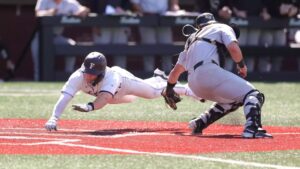
Building strength and conditioning helps your players play longer and perform better.
Good training tools help them gain power, improve control, and build muscle memory so their movements become natural on the field.
Adding consistent effort with the right gear supports both skill and injury prevention.
Common equipment for strength and conditioning:
| Tool | Main Purpose | Key Benefit |
| Resistance Bands | Arm and shoulder work | Strengthens throwing muscles |
| Agility Ladder | Quick footwork drills | Builds coordination and balance |
| Foam Roller | Muscle recovery | Reduces soreness and tension |
| TRX Suspension Trainer | Bodyweight exercises | Increases stability and power |
Weighted exercises such as squats, presses, and deadlifts build total-body strength. Your players can use free weights or bodyweight resistance systems. Both support controlled, baseball-specific movements that carry over to throwing and hitting.
Speed and agility tools like cones, ladders, and mini bands train your players’ lower body to react quickly. These drills improve the short bursts of speed needed to field grounders or steal bases. When used regularly, they help players move with more precision and confidence.
If your players prefer working out on their own, portable tools make it easy. Resistance bands, small rollers, and travel-sized dumbbells fit in their gear bag.
Pairing these with a good strength and conditioning program helps players stay consistent, even off the field. This kind of training keeps their muscles active year-round and helps them reach their full potential.
Technology-Driven Baseball Training Tools
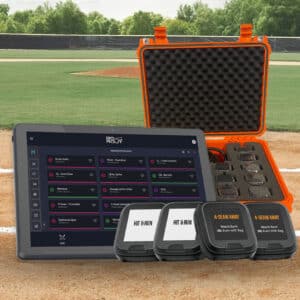
Modern baseball training uses smart devices and data to help your players improve faster. These tools give real-time feedback on swing speed, throwing motion, and body mechanics, helping them make quick adjustments during practice. Technology now plays a big part in how players at every level build consistency and confidence.
Smart sensors and motion-tracking systems can measure how efficiently your players move. They record bat angles, hip rotation, and follow-through to show what needs to change. Many hitters use these systems to fine-tune timing and balance through digital feedback.
Pairing this technology with modern baseball analytics tools or resources on baseball data analysis helps track improvements more accurately.
Video analysis tools and swing-tracking apps make reviewing their performance easier. Players can look at their swing frame by frame and spot small issues before they grow into habits. Combining this data with simple drills helps reinforce better form and rhythm, giving each practice session a clear focus.
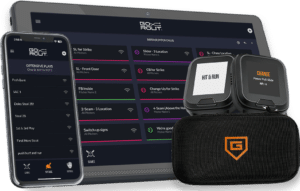
Coaches use new technology tools to improve team communication. With digital systems like the GoRout Diamond, messages, signs, and lineup changes reach players instantly without confusion or delay. It keeps practice organized and lets everyone react faster in games.
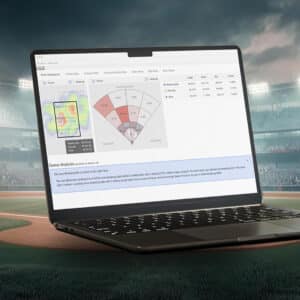
Analytics platforms have also become vital. Using data from the GoRout Connect baseball analytics tool, you can review stats that show trends in hitting, fielding, and pitching efficiency.
Reach out to the team and get a quote today.
Teams now mix these devices into daily routines. Pitchers analyze arm motion, batters compare swings, and coaches combine player metrics with baseball performance analysis to plan sessions that match each player’s needs. It turns every practice into a data-informed opportunity for growth.
How Coaches Can Build A System Of Training Tools
Building a set of training tools starts with knowing what your team needs. Look for the skills your players need to improve, then choose tools that help them grow.
Use your experience to mix technology, practice drills, and feedback while staying within your budget.
Balancing tools with drill design
Each tool works best when combined with clear drill design. A pitching machine or batting cage won’t help without structured routines that build consistency.
When planning practice, list what each tool teaches, like timing, accuracy, or reaction speed, and rotate them to avoid player fatigue.
Integrating tools with digital tracking, like baseball coaching software, can organize this process and help you manage sessions efficiently.
| Tool Type | Purpose | Example Use |
| Pitching aids | Build mechanics | Daily bullpen focus |
| Batting tools | Improve contact | Tee and live drills |
| Data systems | Track progress | Digital performance logs |
Creating individualized player plans
Not every athlete learns the same way. You can use video and analytics tools to make personalized goals for each player.
These systems use baseball analytics to compare data trends and spot where players can improve. Share short reports with your athletes so they see their own progress and stay motivated.
Evaluating improvement across a season
Consistent evaluation helps you decide which tools are worth keeping. Review performance metrics, scouting notes, and feedback after each phase of the season.
Baseball scoring software simplifies tracking and shows whether drills translate to better game results. Keep adjusting your setup as players mature, and your team’s goals evolve.
Budget-Friendly Sets For Youth And Travel Teams

When you’re buying equipment for a Little League or travel team, make your budget go as far as possible without losing quality.
Choose durable training tools like plastic or foam practice balls, foldable 6×6 nets, and lightweight batting tees that can adjust for different ages.
These tools work well for hitting, pitching, and coordination drills, whether you’re indoors or practicing in the backyard.
A handful of small items can build strong fundamentals without big costs:
| Item | Purpose | Ideal Use |
| Batting tee | Teaches swing control | Indoor or backyard |
| Pop-up net | Catches balls safely | Travel practices |
| Resistance bands | Builds strength | Warm-ups |
| Bucket of balls | Essential for drills | Team stations |
Tools worth skipping at early ages
For beginner players, you don’t need to buy expensive advanced gadgets. Young athletes improve the most through basic repetition and clear feedback, not high-tech tools.
Expensive pitch trackers or one-way communication devices like a coach signaling tool aren’t necessary for early development.
Keeping practice simple lets kids focus on timing, balance, and confidence before adding more complex gear.
How to build a long-term equipment plan
To make the most of your money, buy versatile tools that grow with your players. Adjustable training tees, multi-angle rebound nets, and portable nets work from early youth baseball through older travel levels.
Store equipment carefully, rotate gear between teams, and donate outgrown items. Thinking ahead helps your program stay equipped for years without constant replacement costs.
Conclusion About Baseball Training Tools
Finding the right gear helps your players train effectively through multiple seasons and at all skill levels. Whether they are learning to make solid contact or refining advanced mechanics, having tools that fit their needs makes practice more focused and rewarding.
Start by thinking about what part of their game they need to improve: hitting, pitching, or fielding. A batting tee, portable practice net, and weighted balls are smart choices for building strength and control.
Players working on accuracy or timing benefit from adjustable trainers that provide real-time feedback.
When comparing gear, note the balance between durability, portability, and feedback. Look for equipment tested by players at different skill levels, and consider how easily you can adjust each tool as your players’ goals change.
For team and communication training, the GoRout Diamond and GoRout Connect stand out as must-have options. These systems improve on-field coordination and allow coaches and players to stay in sync during live play.
Their easy setup and reliable performance make them useful for both youth and advanced teams competing across a full baseball season.
If you are ready to update your setup, explore the newest tools on the market and get a quote for GoRout Diamond or GoRout Connect to see how they can fit into your training plan.
By investing in dependable, adaptable equipment, you give your players the best chance to keep improving every time they play.
FAQs About Baseball Training Tools
What are the best training tools for baseball?
You’ll find that the best tools depend on your skill level and goals. A batting tee, a portable net, and weighted balls help you build solid hitting and throwing fundamentals.
Pitchers often use a pitching towel trainer to improve release points and rhythm. A hitting trainer with adjustable resistance can also give you instant feedback on swing mechanics.
What are the 6 tools of baseball?
Coaches often mention six tools when talking about complete players. These include hitting for average, hitting for power, speed, arm strength, fielding, and baseball IQ. That last one reflects how well you read plays, position yourself, and make decisions during a game.
What is the 80/20 rule in baseball?
The 80/20 rule suggests that about 80% of your results come from 20% of your efforts. In training, this means focusing on the drills or tools that give you the most noticeable improvement.
By identifying which exercises help you most, like consistent tee work or accuracy throws, you make better use of your practice time.
What are the five tools of baseball?
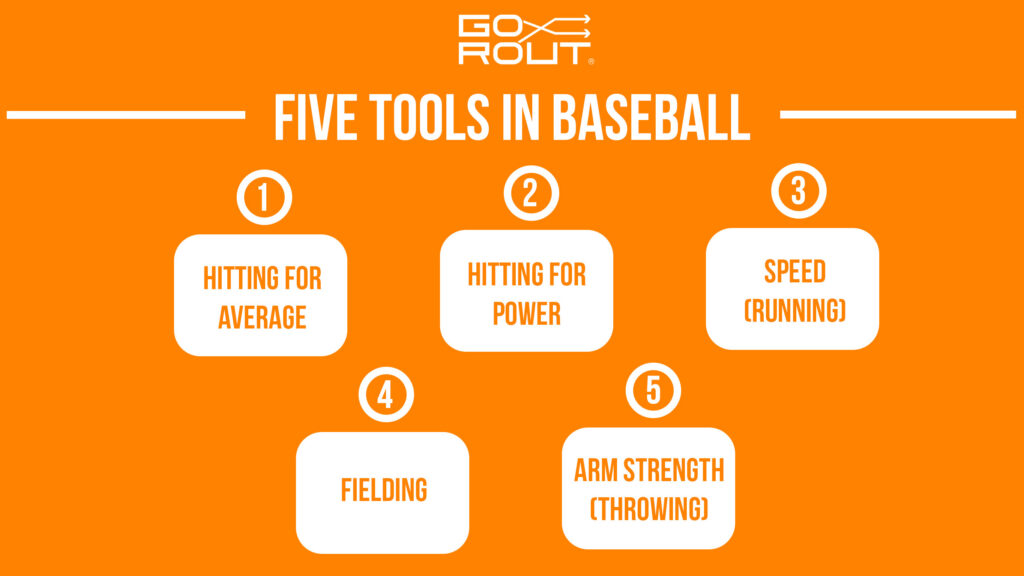
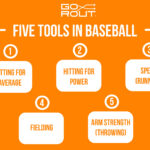
Traditionally, scouts evaluate players based on five core tools: hitting for average, hitting for power, running speed, fielding skill, and throwing strength. Developing each of these with the right training tools helps you become a balanced and reliable player at any level.
There is also a sixth tool that isn’t physical: baseball IQ, which is your ability to understand the game, anticipate plays, make smart decisions, and apply strategy on the field. This mental skill often separates good players from great ones.
Share This Article
Related Articles


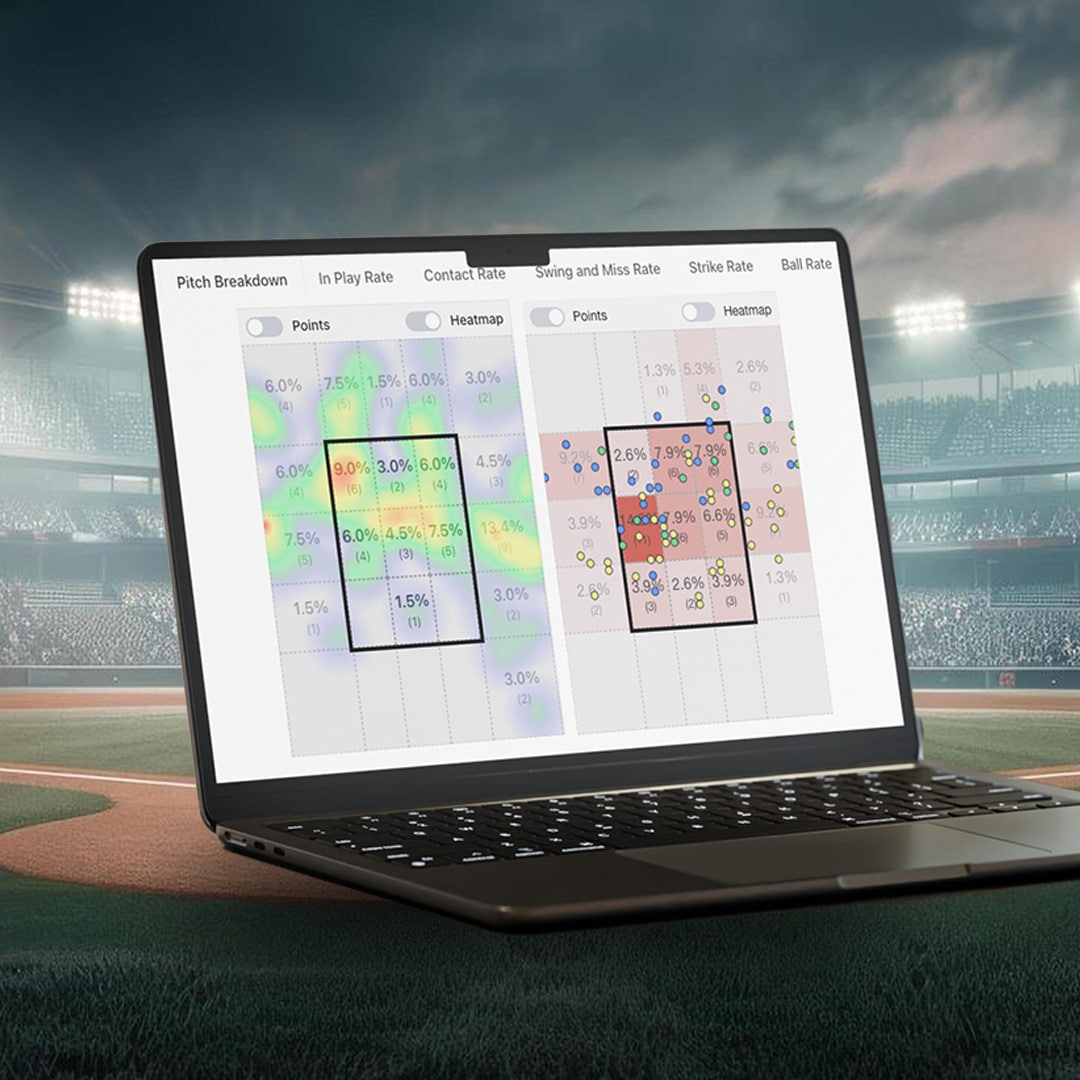
Big-League Analytics in your dugout for free
With GoRout Connect, GoRout Diamond customers receive access to AWRE Sports suite of analytics tools for free!