Softball Drills for All Skill Levels: A Guide to Smarter Practices
Reading Time: 10 minutes


Reading Time: 10 minutes
As a softball coach, you want your practices to help every single player get better, no matter their level of experience. The right softball drills give you the structure, focus, and clear targets you need, while keeping things active, engaging, and fun.
The smartest drills also mimic the real game, so your players get to build real skills that translate to the field.
This guide is here to help you tailor drills and plan practice sessions to fit your team’s needs. You will learn how targeted drills support growth at every stage, from new players to experienced athletes.
The Basics of Softball Drills and Practice Design

Softball is a fast-paced game. One second of hesitation and momentum can swing before you know it. Players need to react quickly, make clean plays, and take full advantage of any scoring chance.
When softball practice plans are built the right way, they help athletes move faster, think quicker, and stay calm when the pressure ramps up. Growth and progression doesn’t come from practices that keep kids standing in lines or listening to long-winded lectures.
Good drills develop focus, confidence, and trust between teammates.
If you spend too much time talking or taking breaks, energy drops and learning stalls. The best practices have clear goals, fast rotations, and a lot of repetition so players stay engaged and keep improving.
You can add a game-like intensity to a few drills by using a stopwatch, keeping score, tossing in live runners, or setting plays up realistically from home plate.
Keep instructions short and let the reps teach players. If you’ve got a two-hour softball practice, simply splitting that time evenly between defense and offense will keep things running smoothly and the intensity high.
Fundamentals of Softball Every Player Must Learn
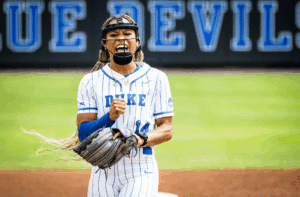
When players learn fundamentals early, they play with more confidence, make fewer mistakes, and stay consistent on the field.
Fielding techniques and defensive foundations
Defense matters at every level. Start your practice plans by teaching a proper stance with:
- Knees bent
- Back straight
- Eyes on the ball
A proper defensive stance and positioning allows players to move quickly in any direction.
When they’re fielding ground balls, players should move through the ball with a calm approach. Help them make their gloves ready, keep them at the right angle, and stay low. Infielders need to practice their short hops often to build soft hands and trust.
Repetition builds confidence. Begin with simple movements, then add more motion as players improve. Around ages 11 to 12, light resistance band work, done with proper supervision, can help strengthen the shoulders and back safely.
Throwing and catching mechanics
Good throwing comes from clean basics and a regular throw routine that builds consistency and accuracy. Teach a proper grip, smooth arm action, solid footwork, and a balanced finish. Build players’ arm strength through consistent routines, not by throwing too much.
Practice throws from different spots on the field to all bases so players learn to react fast and stay accurate. Repetition leads to dependable defense.
Softball Drills for Offense and Hitting
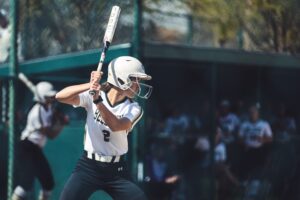
Strong offense starts with simple, repeatable hitting drills that help teams improve performance at the plate and score the most runs possible. You help each hitter learn how the bat moves through the zone and what a well-struck ball should feel like. The smartest drill choices keep batting practice focused and useful for all skill levels.
Core batting drills for swing development
You develop better swings by teaching stance, grip, load and balance first. Clear cues will help guide the swing without overloading athletes, which is just as important for young players as it is for advanced hitters.
- Tee Work is the anchor of daily practice. It improves bat control, supports clean contact, and fits well into hitting stations.
- Add front toss to train timing and barrel awareness before moving to live pitching.
- Use live batting practice to connect drills to game speed. Mix in base reads so runners react to contact.
Focus on quality reps rather than just pumping out a lot of practice, to encourage players to keep their mechanics sharp.
For basics and cues, check out our softball hitting fundamentals guide.
Specialty hitting drills for timing and bat path
Use a bat path drill to fix casting and looping. You can also add a Drop Ball Drill to train hands to stay inside the ball and drive line contact.
Blend those drills into short sequences that put movement and timing to the test. Game-speed reps get hitters ready for the pressure and help them adjust to a faster pitching style. Slap hitters benefit greatly from targeted practice sessions.
Check out our list of slap-hitting techniques for more details.
Finish off with a few rounds of live pitching, and you’ll have them feeling confident. The more you reinforce proper mechanics, the more their swing’s going to start to feel like their second nature.
Softball Drills for Defense and Fielding

Strong defense comes from doing the same things the right way, over and over. When players get a lot of reps, they react faster and make cleaner outs in games.
Infield drills for quicker hands and cleaner outs
Good infield play starts with simple daily work.
- Begin with basic ground balls to get players moving, talking, and focused
- Short hop drills matter for corners and middle infielders. They help players trust their hands and stop pulling away from the ball. As confidence grows, speed things up or change the hops to add pressure.
- When working on double plays, focus on footwork, clean feeds, and strong throws.
Using more than one fungo hitter helps keep reps high and lines short during these drills. The best infield sessions are loud, fast, and competitive.
Outfield drills for reads, range, and arm strength
Outfield play starts with the first step. Work on first-step and drop-step drills so players react right off the bat. Mix in fly balls from different angles to improve range and body control.
Outfielders should throw to every base. Cutoff and relay drills help everyone stay connected and work on communication. Reps build confidence, and confident outfielders play faster and more aggressively.
Fastpitch Softball Drills That Simulate Game Speed

Fastpitch softball moves fast, so your drills must move fast, too. You face short reaction times, quick runners, and little room for mistakes. Players train better when each rep feels close to real gameplay and enforces smart decisions that help their teams win games.
Run hitting stations with clear roles and fast rotation. Keep groups small, so players get more reps in without waiting. Use a timer and rotate every few minutes to hold focus and avoid slow, unproductive swings.
Use competition to raise effort and attention. Short contests push players to work at full speed while staying locked in. Try these game-speed drills:
- Game-based relays: Split into teams and race through throwing, catching, and sprint tasks.
- 21-out drill: The defense records 21 clean outs as fast as possible, with errors adding pressure.
- Live front toss with counts to force quick swing decisions.
Train hitters to read speed, spin, and location instead of guessing. Mix pitch speeds and locations in the same round. Ask hitters to take bad pitches on purpose, so they learn plate discipline and form a selective approach.
Keep energy high with a simple structure. Use music between reps, clear start times, and fast resets. You protect players from fatigue by cutting reps that lack focus and keeping every drill tied to the game.
Maximizing Development Through Structured Softball Drills
Structured drills turn practice time into progress. When you plan with purpose, you develop individual skills while keeping the entire team moving in the same direction. Clear structure helps players stay engaged because they know what’s coming next.
- Dividing practice time between offense, defense, and baserunning leads to better results.
- Short drill blocks keep energy up and make it easier to adjust based on skill level.
- Station-based setups reduce standing around and give players more quality reps.
- Plans should change as the season goes on. Early practices focus on basics, while later sessions add speed and pressure.
- Avoid long lines, unclear goals, or drills that don’t fit your players.
- Competition gives reps meaning. Simple scoring or timed challenges increase effort without adding stress.
- Leadership grows when players communicate and support one another.
- Keep practices intense but enjoyable, and stay consistent week to week.
The right setup matters too. Many coaches use tools like GoRout Diamond to manage communication and keep practices running efficiently.
Player Development Through Targeted Softball Drills
You help softball players grow faster when you match drills to real needs. Targeted work boosts player development without losing team flow. You can support one player while keeping the players’ line moving and focused.
Design drills by skill level and position to protect player performance. Young players need simple cues and more reps. Older athletes need speed, reads, and choices that feel like games.
You can find useful ideas through youth softball drills.
Build softball IQ along with physical skills. Ask players to call outs, choose bases, or explain a play after a rep. It teaches you how they think.
Teach players how to practice with purpose. Set one clear goal per drill and track it with counts or times. Measurable progress builds confidence and shows how practice turns into game results.
When drills match the intensity of game moments, success carries over. Players trust their work, react faster, and play with calm focus.
Advanced Softball Techniques for the Experienced Player
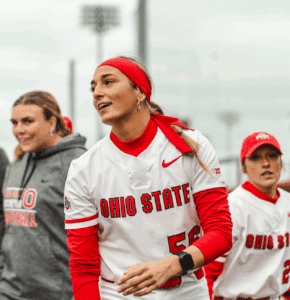
Advanced players train with a purpose. They fine-tune the details, read the game faster, and prepare for the next level. These drills are all about sharpening the skills that really matter.
Hitting like a pro and turning on the offense
Advanced players learn to adjust on the fly, reading pitch speed, movement, and location to get a hit. Even small tweaks in their stance or timing can make all the difference.
Situational hitting drills help them keep control of the ball. They work on hitting behind runners and executing sacrifice flies or driving the ball to the opposite field.
The live pitching with clear goals really adds intensity to their training. They might be focused on hitting one zone or taking borderline pitches to build discipline.
Advanced players also develop strong pitch selection skills. By tracking the pitches and learning to lay off the bad ones, they can raise their on-base percentage and capitalize on quality pitches.
Pitching like a pro and building endurance
Players build stamina through structured bullpen work. Short, high-focus sessions that mimic game innings help them keep their command sharp, even late in the game.
With targeted drills, they can improve their pitch spin and movement. They work on grips of different softball pitch types, wrist position, and clean release.
Pitchers also need to manage their workload wisely to avoid burning out. Rest days, pitch counts, and light recovery throws all play a role.
A good team defense makes their job as a pitcher a lot easier. When their fielders are executing cleanly, they can attack the zone with confidence and efficiency.
Specialty Position Softball Drills
You can help players improve faster by training them by position. Each role requires focused work on movement, timing, and decision-making. These drills are built to match different positions and skill levels without adding unnecessary complexity.
Pitcher’s drills for confidence and control
Pitchers need repeatable habits if they’re going to trust every throw. Start with simple warm-ups that protect arm health, build strength, and reinforce clean mechanics.
Build fastball command first, then introduce off-speed pitches. A basic spinner drill helps pitchers feel correct spin and release points.
Create pressure by setting pitch counts or calling spots under time limits. Pair these reps with a clear pitch-calling system to keep pitchers focused and game-ready.
Catcher’s drills for leadership and game control
Catchers are leaders on the field and must guide the defense and control the pace of play. They anchor the field by receiving cleanly, blocking low pitches, and staying balanced.
Quick footwork drills improve throw-downs to second and first base. Keep throws short and direct to protect the arm and hit targets.
Practice steady communication with pitchers, infielders, and outfielders. Learning how to call pitches builds trust and keeps the defense aligned.
Good catchers lead with calm actions and set the tone for smart defense across all positions.
Conclusion: Building Better Teams With Softball Drills
You only build better teams when you focus on drills that mirror the game. Players learn more through movement, reaction, and problem-solving than they do from endless lectures.
The real keys are reps, pace, and clear goals. The more you have of these, the more you’ll see real growth.
Smart drills bring a lot of intensity, efficiency, and realism to every practice. When you keep the lines short, players stay active. You train for quick decisions in game-speed reps, and situations like cutoffs, bunts, and pressure outs get your team ready for real moments.
These drills also build a lot of confidence and chemistry. Players trust their teammates when they know what to expect from each other. When drills demand you talk, back up and support each other, your communication gets a lot better.
And don’t just think short-term. A long-term mindset is what really matters here. Your players develop skills over time. Beginners build strong habits, and more advanced players hone in on the details that win close games.
Strong teams train with a goal in mind. When you use drills that challenge your players, show them respect for their time, and prepare them for game speed, that’s when you see real results.
FAQs on Softball Drills
What are some of the key softball drills for practice?
You can just use simple softball drills that match your team’s skill level and goals. Many teams rely on a small list that works for most players.
- Soft toss for having control at the plate
- Ground ball reps for clean fielding
- Cutoff and relay for team throws
- Drop step for reading the game
These drills work well for youth, school, and travel teams.
What is the 3-2-1 drill used in softball?
This drill engages the entire infield, with three consecutive balls hit to the same fielder. The first rep is a play at third base, the second is a play at second base, and the third is a play at first base. The sequence is repeated for each infielder.
The second phase focuses on fielding choppers, shifting to a 3-1-1 setup. Variations of the drill can include slap defense and bunt defense.
What are the best exercises for softball?
You’ll benefit most from exercises that build strength, balance, and speed. You don’t need heavy weights to improve. What works best for you is a combination of exercises:
- Strength Leg squats
- Balance Planks
- Speed Short sprints
- Endurance Core strength
What are the 5 basic skills in softball?
You build your game around five core skills. Every drill supports at least one of them.
Hitting, throwing, fielding, running, and catching form the foundation of your game. When your players practice these regularly, they’ll play with much more control and confidence.
Share This Article
Related Articles



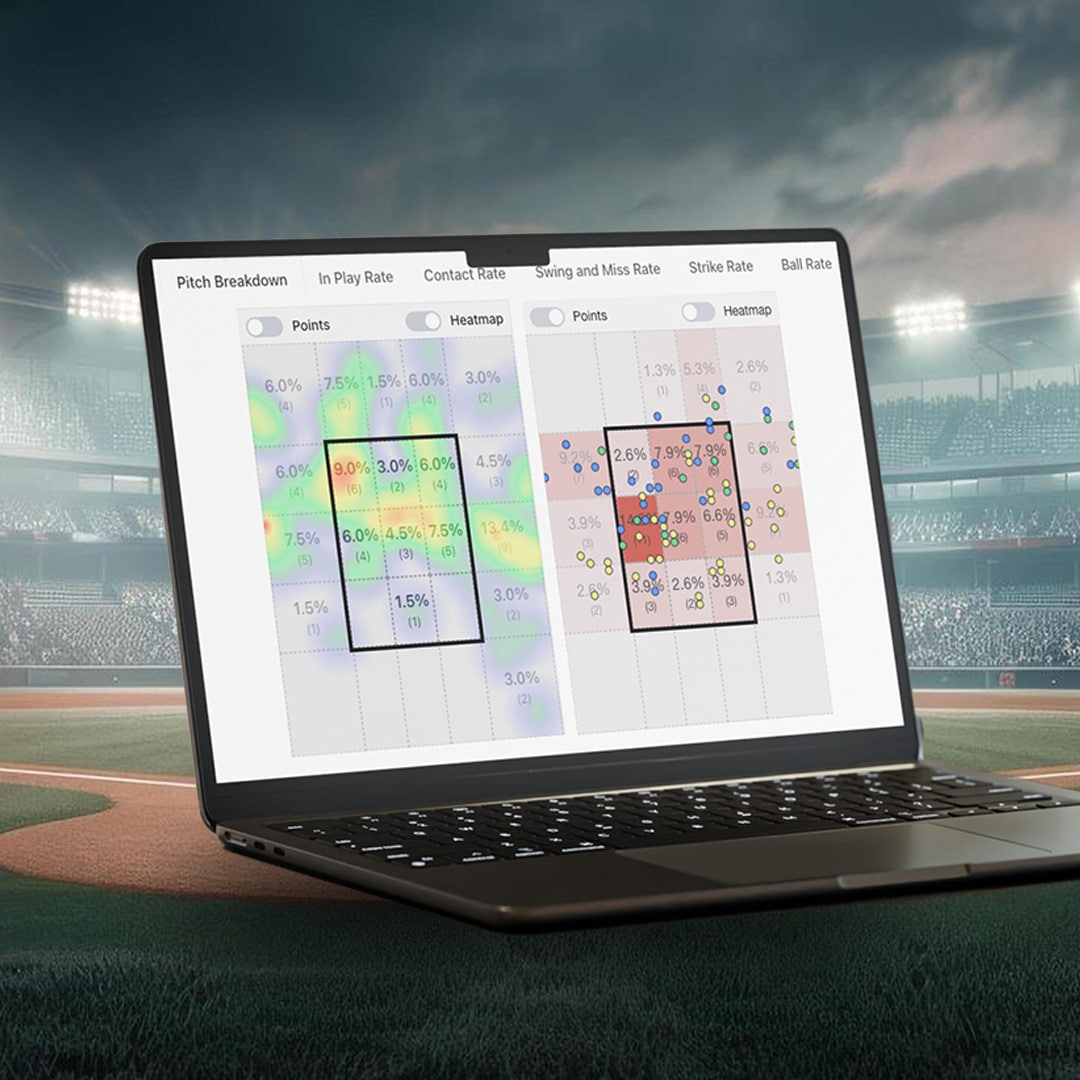
Big-League Analytics in your dugout for free
With GoRout Connect, GoRout Diamond customers receive access to AWRE Sports suite of analytics tools for free!