Slap Hitting Softball: The Complete Guide for 2026
Reading Time: 7 minutes


Reading Time: 7 minutes
Slap hitting in softball is an offensive technique that can change how your athletes play. This batting style uses speed, precision, and smart strategy to help players reach base more often by placing the ball where defenders can’t reach it quickly.
If you’re looking to help your team keep the pressure on, teaching slap hitting is a skill worth your time. When athletes pick up this method, defenders have to scramble, and that’s when the magic happens.
Here’s a guide for coaches who want to break down slap hitting in 2026. We’ll get into the mechanics and footwork, the rules you need to know, and the situations where a slap hit really makes sense.
What Is Slap Hitting In Softball?
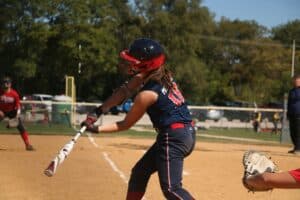
Slap hitting is a batting technique where the player hits the ball while moving toward first base. Rather than staying still and swinging hard, the batter uses a running start to gain momentum and leave the batter’s box quickly.
There are a few main types of slap hits:
- Soft slap: The batter chops down on the ball to make a slow grounder.
- Power slap: The batter swings with more force while still moving toward first.
- Drag bunt: The batter pushes the ball past the pitcher while running.
This technique works especially well for fast left-handed batters. They can find openings, force quick throws, and put pressure on the infielders.
In competitive softball, slap hitting gives your team several ways to get runners on base. On smaller fields, speed becomes even more important. If your lineup can master slap hitting, you have a real advantage at the plate.
Defenses will adjust their positions once they know you have a strong slap hitter. This creates new opportunities for your hitters, and your team can take advantage of those changes.
Key Slap Hitting Mechanics And Technique
Teaching slap hitting means helping players combine speed and accuracy. Once your athletes master the mechanics, they’ll put more pressure on the defense and get more runners on base.
Proper stance and setup
Ask your hitter to line up their back toe with the back corner of the plate. This helps them stay balanced and ready to move. Their hands should be up by their ears, at the top of the strike zone, with their weight centered and ready to drive forward.
The approach and footwork sequence
The three-step approach is where it starts. The first step goes back, the second is a crossover, and the third step drives toward the first. Shoulders should stay closed on the first step. Kids often open up too early. Remind them to run straight at the pitcher until they actually hit the ball.
Contact point and bat path
As they take that crossover step, their arms come down into a V. The lead hand stays inside the ball, controlling its direction. Make contact out in front, then let the hands release toward the left side of the field.
The bottom hand guides the direction, while the top hand adds power as the swing flattens out. Keep the swing quick and controlled, with hands close to the body throughout.
Common mechanical mistakes to avoid
If the hands drop below the shoulders, the swing path will suffer. Opening the shoulders too early can throw off their balance. Make sure they don’t veer toward first before making contact. These mistakes can ruin good slap hitting, so watch for them and correct them early with solid softball hitting fundamentals.
Legal Footwork Rules For Slap Hitting
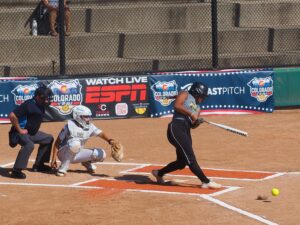
Knowing the footwork rules for slap hitting helps you avoid unnecessary outs and keeps the game fair.
At contact, the batter’s foot cannot touch the ground outside the batter’s box. If any part of the foot is on the line, it’s legal since the line counts as part of the box.
The hitter must also begin inside the box before the pitch, and both feet must remain within the lines until contact. Proper positioning near the front of the box can provide a small but valuable advantage toward first base.
In practice, use chalk or tape to clearly mark the box, film from multiple angles to check foot placement, and rehearse the three-step approach slowly before increasing speed to ensure technique stays legal and consistent.
Strategic Applications Of Slap Hitting
Slap hitting isn’t just about running fast or fancy footwork. It’s about reading the game and making the right call at the right time.
Reading defensive positioning
Teach your hitters to watch how the defense sets up before they get in the box. If the third baseman is deep, that’s an open invitation to drop a soft slap down the line. If the infield shifts toward second, the left side is wide open.
Keep your athletes alert between pitches. A good slapper can force the defense to move and create gaps for the next at-bat.
Situational hitting with slap technique
Lineup position matters. With a runner on first, a hard slap to the right can move them up. In bunt-and-run situations, just making contact and putting the ball in play is key.
If your team needs baserunners, slapping is usually a better bet than swinging away. It’s not always flashy, but it gets results.
Slap hitting vs bunting: making the right choice
Bunting keeps the ball close to home. Slapping puts it past the pitcher, giving your runner a little more time to reach first.
Go with a bunt if the corners are playing deep. Use the slap when you need to move runners or the defense is playing straight up.
Weather and field condition considerations
Wet fields slow down ground balls, so hard slaps work better. On fast turf, soft slaps are tough to defend because the ball gets on defenders quickly.
Wind can mess with bat control, so remind your hitters to adjust their swing speed if it’s gusty.
Proven Drills To Develop Elite Slap Hitting Skills
To help your athletes improve their slap hitting, start with a clear plan. The right drills will help them build speed, timing, and strong mechanics.
Begin with the basics. Work on footwork first, and add more advanced skills as your athletes get better. Here’s a quick overview.
| Drill Type | Focus Area | Skill Level |
| Foundational Footwork | Crossover steps and body positioning | Beginner |
| Contact and Timing | Bat path and ball contact point | Intermediate |
| Speed Development | Running through the box quickly | All levels |
| Situation-Specific | Reading defense and choosing slap type | Advanced |
Foundational footwork drills teach the crossover step and help athletes time their movement. Have them lead with the left foot, then cross over with the right as they drive toward first.
Contact and timing drills focus on when to swing and where to put the ball. Mix in soft slaps, hard slaps, and drag bunts for variety.
Speed development drills get them moving out of the box faster. The quicker they clear the box, the better shot they have at beating the throw.
Advanced situation-specific drills mimic game scenarios. Work on reading defenses and choosing the right slap for the moment. Add these to your softball practice plans for steady progress.
Building elite slap hitters takes time and regular reps. Get your athletes into youth softball drills early, and keep the focus on good habits.
Coaching And Evaluating Slap Hitters

When you’re coaching slap hitters, start by spotting the right players. Look for lefties with speed, quick feet, and good bat control. They don’t have to be perfect, just coachable and willing to try.
Key traits to evaluate:
- Quick to first base
- Solid hand-eye coordination
- Open to learning bunting mechanics
- Fast decision-making
- Left-handed stance
Teach new slap hitters step by step. Begin with bunting drills to build hand position and footwork. Some pick it up fast, others need more time. Don’t rush them.
Use video to break down swings. Show your athletes what’s working and what’s not. Frame-by-frame feedback beats a long speech any day.
When you’re recruiting, see how players handle different pitches and if they can adjust to defensive shifts. The best slap hitters can switch gears and pick the right spot based on what the field gives them.
Consider using apps for softball coaches to track progress. The right coaching essentials make your job easier and help athletes improve faster.
Equipment Selection And Optimization For Slap Hitting
The right gear matters for slap hitting. You want equipment that lets your athletes move fast and stay in control.
Bat choice is a big deal. Go for lightweight, balanced bats, usually 30-33 inches, weighing 18-21 ounces. Shorter, lighter bats give better control for hitters on the move.
Key equipment considerations:
- Bat selection: Pick a bat built for quick hands and contact hitting, not just power. Composite bats dampen vibration and give a bigger sweet spot for hitting on the run.
- Footwear requirements: Cleats need solid traction. Metal ones grip best on dirt and grass. The cleat pattern should let your athletes move laterally and explode out of the box.
- Protective gear: Helmets should be snug but not block vision. Batting gloves need to be thin for feel but still protect the hands. Skip bulky wrist guards or softball training equipment that gets in the way.
Give your athletes gear that lets them attack the ball confidently and play to their strengths. Sometimes, a little tweak in equipment makes a big difference.
Conclusion About Slap Hitting Softball
You’ve learned the key techniques to make slap hitting work for your team. The right footwork, timing, and bat control can turn your players into threats on the base paths. Watch how your offense improves when athletes master the soft slap, drag bunt, and power slap.
Your players need consistent practice to develop these skills. Post drills at your practice field and track progress as athletes work on their crossover steps and bat angles. Engage in regular team conversations about which techniques work best in different game situations.
FAQs About Slap Hitting
Is slap hitting only for lefties?
Slap hitting is almost always for left-handed batters. Lefties start closer to first base and naturally move toward it as they swing.
This setup gives them a real edge when they’re trying to beat out ground balls. Right-handed hitters can give push bunting a shot, but it doesn’t work the same way.
The mechanics and momentum from the right side don’t help much. It’s one of those things that fits lefties better, for reasons you notice as soon as you see it in action.
Why do girls slap hit in softball?
Softball fields are smaller than baseball fields, so slap hitting makes even more sense here. The short sprint to first base means speed is a huge deal.
If you’ve got an athlete who’s quick and has good bat control, slap hitting can really mess with the defense. You’re moving toward first as you make contact, so you get a little head start.
What is the difference between hitting and slapping?
Traditional hitting is all about power. You plant your feet and try to drive the ball as hard and far as you can.
Slap hitting is about speed and placement. Your athlete moves through the box as they swing, aiming to hit ground balls that force the defense to hurry.
Share This Article
Related Articles




Big-League Analytics in your dugout for free
With GoRout Connect, GoRout Diamond customers receive access to AWRE Sports suite of analytics tools for free!