Electronic Pitch Calling Wristbands: A Complete Guide
Reading Time: 13 minutes


Reading Time: 13 minutes
Electronic pitch-calling wristbands are digital devices that players wear on their wrists to receive pitch calls in baseball and softball. These devices gives the ability for coaches coaches send signals to players without using hand signs. The stuff that matters, like fundamentals and pitching mechanics, take a front seat when players don’t have to think about pitch calls.
Electronic wristbands display pitch calls and other instructions from coaches directly to a device on a player’s arm. This innovative wearable technology helps teams communicate securely on the field all season. It cuts down on confusion and makes it harder for other teams to steal signs.
This article will teach you every and any thing you need to know about electronic pitch calling wristbands, including:
- What electronic pitch calling wristbands are
- Key components
- How electronic pitch calling wristband systems work
- Benefits and the importance of electronic pitch calling systems for softball and baseball teams
- Where they sit on the overall sports technology spectrum
- How to choose the right electronic pitch calling wristbands for your team
- The future of pitch calling technology
Whether you’re just curious or looking into a solution for your softball or baseball team, you’re in the right place. Let’s get started in our discussion about electronic pitch calling wristbands.
What Are Electronic Pitch Calling Wristbands?

Image courtesy of GoRout
Electronic pitch-calling wristbands are small digital devices worn by catchers and pitchers that receive signals from the dugout or coach using one-way electronic communication. The wristbands have screens that display pitch types and locations.
Electronic pitch-calling wristbands are used in baseball and softball at all levels, from youth and travel leagues through the pros. The wristbands look like regular watches, but have special features for baseball and softball coaches.
Though regulations vary by sport, organization, level, and other factors, electronic wristbands help secure on-field communication and increase gameplay efficiency. They’re a specific subset of the more general, larger pool of pitch calling devices that include:
- Earpieces
- Clip on microphones
- Walkie talkies, and
- Other types of technology
What Are The Key Components of Electronic Pitch-Calling Wristbands?
Digital wristbands are one component of a larger electronic pitch calling system.
A full electronic pitch-calling wristband system includes four components in total:
- Wristbands for players
- A device for coaches to send signals
- Software to manage pitch calls
- Wireless technology to transmit signals
Coaches use a tablet or phone to pick pitches, and the signal goes to the players’ wristbands immediately. This helps prevent sign stealing and keeps communication private.
Some wristband systems, like GoRout, can also be used to send offensive signs like steal, bunt, or hit and run. In leagues where it’s permitted, digital wristbands allow coaches to communicate various plays to players on the field.
How do electronic pitch calling wristbands work?
Electronic pitch calling wristbands work by sending a signal from a coach’s device to players’ wristbands through wireless digital transmission. Players receive the signal visually through text on their wristband.
Let’s take a step-by-step look at how electronic pitch calling wristband systems work:
- Coaches create customized signals for different pitch calls and pre-loads them into an app
- Pitchers and catchers secure bands around their wrists before the game
- Every pitch, coaches select from their pre-loaded calls in the app
- The digital transmission, usually WiFi or cellular-based systems, delivers the pitch call
- Both catchers and pitchers see a visual signal with the pitch call appear on their screens
- Everyone can quickly agree on the pitch without physical signs
Specific steps may vary depending on the type of electronic pitch calling wristband, or when using other types of pitch calling devices, but the general process remains consistent.
Coach selects pitch on device -> Call transmitted through a digital signal from coach device to player wristbands -> Visual signal appears on the screen of player wristbands
This process is fast and often quicker than traditional hand signals.
What Are The Benefits of Electronic Pitch Calling Wristbands and Why Are They Important?

Image courtesy of GoRout
Electronic pitch-calling wristbands provide many benefits important to efficient, secure communication of signals between coaches and players. Additionally, they can equip coaches with valuable information to better inform strategy and game planning, as well as weaknesses to build on in practice.
Here are some of the specific benefits electronic pitch-calling wristbands provide to make life easier for coaches include:
| Benefit | Description | Examples |
| Streamlined communication | Delivers clear and concise, pre-loaded visual signals for pitch calls directly from the coach to their catcher and pitcher |
|
| Improved game efficiency | Speeds up the flow and reduces overall game time by eliminating unnecessary stoppages and subconscious processing |
|
| Increased security | Secures pitch calls by delivering signals through encrypted digital transmission |
|
| Performance tracking and analytics | Provides performance data for tracking and analytics data, as well as other automated reports and insights |
|
| Customization and flexibility | Allows coaches to customize pre-loaded library of calls and visual signals sent to players |
|
Streamlined communication
Electronic wristbands streamline pitch call communication by instantly delivering clear and concise, pre-loaded visual signals directly from the coaches device to players. This removes the potential roadblock of pitchers misinterpreting physical signals from catchers.
Coaches can customize visuals to incorporate messaging or terminology that describe each pitch call in a way their players understand, eliminating any risk of miscommunication.
Young or inexperienced players, in particular, benefit from decreased pressure in pitch calling. It allows them to focus more on mechanics and fundamentals.
Improved game efficiency
By streamlining communication between coaches and their battery (pitcher and catcher), electronic pitch calling wristbands improve the flow and efficiency of play. Without having to wait for the chain of coach-to-catcher-to-pitcher with physical pitch-calling, electric wristbands speed up the process.
While it may not seem huge, digital communications saves seconds typically eaten up by:
- Coaches delivering physical signals to catchers
- Catchers mentally processing and interpreting their coach’s physical signs
- Using a different indicators than their coach, catchers delivering physical signs to pitchers
- Pitchers working to accurately pick up physical signs with their eyes, while simultaneously attempting to mentally process and interpret them
Clear electronic messaging also reduces mound visits and other stoppages caused miscommunication between the coach, catcher, and pitcher. Direct pitch calls reduce the need to review the game plan or touch base with the pitcher for words of encouragement.
In general, electronic systems can cut game times by 20 to 25 minutes!
Increased security
Electronic wristbands guarantee secure pitch calls through encrypted digital transmission, eliminating physically exposed signals and the risk of opponents stealing them.
The entire system is kept close and protected, so only your guys or girls can see the call:
- Coaches select a pitch on a device concealed within the confines of the dugout
- The pitch selection is sent via encrypted digital transmission
- Pitchers and catchers receive the signal on their wristband, which they keep from anyone’s sight but their own
Performance tracking and analytics
Many electronic pitch calling wristbands in baseball and softball provide performance data for tracking and analytics. At a base level, most wristbands (or any other device) equip coaches with complete documentation of every pitch called through the system.
More complex systems include features such as:
- Tracking pitch types and where they’re thrown
- Automated performance analysis, insights, recommendations, and feedback through Automated Intelligence (AI)
- Additional pitching charts
Coaches can review this info to help find patterns and other insights to improve their game plan. They can use data and analytics to inform and personalize practice plans for each player, while teaching players how to use that information to analyze performance.
Customization and flexibility
Electronic pitch calling wristband systems allow coaches to customize their pre-loaded library of calls and what gets sent to players on the field.
Coaches can switch up phrasing, or any other element of the visual displayed on players’ wristbands, during games. Some wristbands allow a brief message from the coach, such as precise location or point of focus. It two numbers works better for pitch type and location than the full message as your team’s visual cue, run with it.
The History of Electronic Pitch Calling Wristbands in Baseball and Softball
Technology in pitch calling has come a long way in a short time for baseball and softball. Here is a very brief timeline of electronic pitch calling wristbands:
| Year | Milestone |
| 2021 | The NCAA fully adopted electronic pitch calling in 2021-22 for baseball |
| 2022 | PitchCom was introduced in Major League Baseball in 2022, first testing it in spring training |
| 2023 | NFHS introduced electronic-pitch calling for baseball |
| 2025 | NFHS and NCAA introduced electronic pitch calling for softball |
Where Do Electronic Pitch Calling Wristbands Sit On The Spectrum of Wearable Technology in Sports?
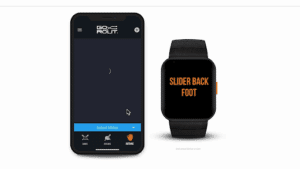
Image courtesy of GoRout
Wearable tech products continues to drive innovation in sports. Athletes now wear devices that help track performance, monitor health, reduce safety risks, and communicate during games.
While they are everything for baseball and softball teams, electronic pitch calling wristbands are a small blip within the sub-segment of wearables on the overall spectrum that is sports technology.
From strategy and performance to recovery and rehabilitation, technology, as a whole, is one of the most important components of modern athletic coaching and performance. Sports tech is also important for athletic directors and others managing multiple sports programs.
Many types of technology can be adapted for other sports requiring rapid communication or similar needs. Any technology that can be shared by multiple different sports teams within the same organization or program saves time, money, and other additional resources.
In the sections below, we’ll take a look at the place of wearables within sports technology and where electronic pitch calling wristbands fit in.
Overview of wearables within sports technology
Wearables are a subset of sports technology that players or coaches wear on their body to serve any purpose from tracking health data to communicating play calls.
Sports wearables include:
- Fitness trackers
- Smart clothing
- Injury prevention equipment
- Communication devices
These tools give coaches and players real-time data and ways to talk without hand signals. They also allow a training staff to monitor players, maximizing efficiency in performance while mitigating risks for serious and preventable injuries.
Electronic coach-to-player communication systems are a specific type of wearable technology becoming popular in baseball, softball, and football. They let coaches send plays quickly and privately.
Implementation in baseball and softball
In baseball and softball, pitch-calling devices have become standard in any league where it’s permitted. From travel organizations to Major League Baseball (MLB), technology dictates pitch calls and on-field communication to a certain extent. In many leagues, we’ve seen the last season without pitch calling technology.
These devices range in design and how they’re used:
- Catchers’ wristbands receive pitch calls from coaches
- Pitcher catcher communication device systems send pitch calls to both the pitcher and catcher simultaneously
- Some catchers have earpieces to hear the calls directly and relay them to pitchers
- Other types of transmitters and receivers are used by pitchers and catchers
This technology replaces old-school hand signals, expediting pitch calls and making it harder for other teams to steal signs.
Impact on player coordination
Wearable tech helps teams work better together. Specifically with communication-based wearables, players get clear instructions and coaching tips without confusion. This leads to complete comprehension of the game plan, smoother execution, and fewer mistakes on the field.
Baseball has a history of sign stealing, but other sports share similar risks. In football, secure in-game play calling devices are gaining ground in leagues where they’re permitted. The UIL is one of the first organizations to allow digital play calling in football games.
Impact on game speed
Pace of play and game flow improves with the use of wearable tech. Coaches can send plays and pitch calls quickly, reducing wasted time and delays. It keeps the action flowing and makes games more exciting for everyone involved.
The impact of wearables isn’t limited to speed and efficiency on game day:
- Football practice devices are specifically designed to reduce time spent standing around and add 2.5 times more reps to practice
- Baseball and softball communication wearables can be used in practice, whether it’s mimicking in-game use or for other purposes
How to Choose the Right Electronic Pitch Calling Wristbands for Your Team
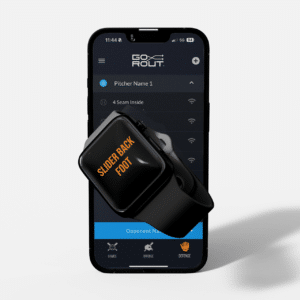
Image courtesy of GoRout
When looking for an electronic pitch calling system, you need to consider several factors. The optimal system can greatly improve coaching strategy, on-field communication, and chances for success while keeping everyone on the same page.
Here is a three-step process to choosing the right electronic pitch calling wristbands, or other type of system:
- Look for key pitch calling features
- Consider costs
- Read reviews and testimonials
1. Look for Key Pitch Calling Features
The first step in finding the right electronic pitch calling wristband system is to identify must-have features and search for options that include them.
That comes in two parts: identifying features that make your life as a coach easier and searching for systems with those features. Electronic pitch calling wristbands and systems all come with different built-in features, as well as options for add ons.
Features to Look For
- Look for systems with secure wireless transmission to prevent sign stealing
- Durability is crucial, so you should look for well-constructed devices that can withstand the wear and tear of everyday use.
- User-friendly interfaces are key for coaches and players. Some systems come with:
- One-tap pitch calls
- Defensive shifts setting
- Pickoff and steal signals
Most important, make your league’s rules permit the use of your desired system. Many are approved for NCAA and high school use, among others.
2. Consider Costs
No matter what level you’re at, you’ll have budgetary restrictions to remain within when purchasing electronic pitch calling wristbands.
Prices differ from one system to another. Take some time with key stakeholders to think about what your team can afford and what you actually need.
Some factors affecting cost include:
- Number of devices needed
- Features included
- Subscription fees (if any)
Also consider on-field benefits, like improved performance and reduced sign-stealing risks that are hard to put a price tag on. If you really love the product, the budget can likely be reworked.
3. User reviews and testimonials
Check what other coaches and players have to say about their real-world experiences with different systems.
Look for feedback on:
- Reliability during games
- Ease of use
- Durability and longevity
- Customer support quality
Many baseball and softball teams use these systems, so you can learn from their experiences when picking one out.
By checking features, prices, and reviews, you can narrow down a list and choose the right electronic pitch calling wristband to boost your team’s communication and performance on the field.
GoRout Diamond: An Impactful Electronic Pitch Calling Wristband
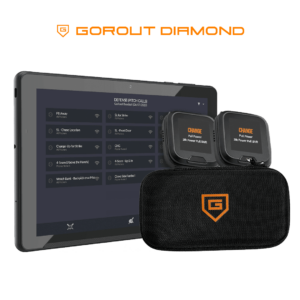
GoRout Diamond is a cutting-edge electronic pitch-calling wristband system changing the game for baseball and softball teams. It’s manufactured in the USA in collaboration with Connect America (Pennsylvania) and KORE Wireless (Georgia).
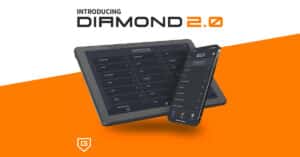
Image courtesy of GoRout
Diamond delivers coaches’ web and mobile apps and rugged baseball and softball communication devices for players to help in real time during practices and games.
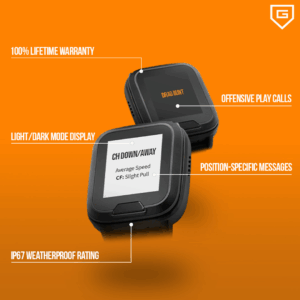
Image courtesy of GoRout
With GoRout Diamond, you can instantly send pitch calls, defensive plays, and other shifts. The system works without WiFi, using cellular networks for reliable connectivity anywhere.
This sports coaching technology includes:
- Easy setup with no syncing or routers needed
- Visible screens in all lighting conditions
- Four-way privacy screens with end-to-end encryption
- Weather-resistant devices for use in rain, heat, or snow
- Customizable packages to fit your team’s needs
- In-game compliance for collegiate and high school teams
Future of Electronic Pitch Calling Wristbands
Electronic pitch-calling wristbands and other devices continue to grow in popularity, becoming a standard in baseball and softball leagues where they’re permitted and more permitting them each year.
In the future, technological innovation may include:
- More intuitive interfaces
- Faster delivery speeds
- Enhanced durability
- Integration with other performance-tracking technologies
- VR pitch calling features in helmets and catching gear
As more teams start using these wristbands at different levels of play, there’s no denying that we’re in the midst of (and will continue to grow into) a new age of tech-savvy strategy and communication.
Some examples of innovation may include:
- Smaller and more comfortable wristbands for players to wear
- Better screens that are easier to read
- Longer battery life
Electronic pitch-calling is likely to spread to more leagues, and high schools and youth teams could start using simpler versions.
Conclusion
Electronic pitch-calling wristbands have changed baseball and softball at a fundamental level. They make pitch call communication faster and more secure on the field.
These wristbands boost player performance, speed up game flow, enable customization, and protect against sign stealing.
Don’t be afraid to step into the new age and incorporate technology into your program. Learning to use these devices is often quicker than memorizing physical signals in the first place. You’ll likely see new users adapt more easily.
As more teams adopt this technology, it may become a standard part of the game.
With the evolution of baseball, electronic pitch-calling wristbands like GoRout’s are leading the way, making the game faster, and more and exciting for everyone involved.
FAQs about Electronic Pitch Calling Wristbands
What are college baseball pitchers wearing on their wrists?
College baseball pitchers wear electronic wristbands and receive pitch calls from coaches. These devices display the pitch type and location on a small screen, replacing traditional hand signals.
How does electronic pitch calling work?
Electronic pitch calling uses wireless technology to send signals from a coach to players. The coach inputs the desired pitch on a transmitter. This signal is then sent to the players wristband, which displays the pitch type and location.
What is the new pitch-calling device?
The new pitch-calling device is an electronic system that includes a coach’s transmitter and player wristbands. It allows for secure, clear communication of pitch calls without traditional signs or signals.
GoRout Diamond is among popular solutions.
What is the best pitch-calling device?
GoRout Diamond provides the best pitch-calling devices for baseball and softball, improving team communication, efficiency, and coordination on the field.
How do catchers call pitches now?
Catchers now use electronic devices to call pitches. They wear a wristband to call the pitch and location, eliminating the need for traditional finger signals.
Do major league catchers wear earpieces?
Major League catchers do wear earpieces as part of their pitch calling system. They also use wristband devices that communicate with receivers in the pitcher’s cap to relay pitch information. The catcher’s earpiece lets the catcher know they’ve sent the right signal, as they hear the same call the pitcher receives.
Why do baseball players wear wristbands?
Baseball players, particularly catchers, wear wristbands to house electronic devices for pitch calling and communication with pitchers.
What is the point of wristbands?
The primary purpose of wristbands in baseball is to improve communication between catchers and pitchers, speed up the game, and prevent sign-stealing by opposing teams.
Are pitchers allowed to wear wristbands?
Yes, pitchers can wear electronic wristbands with buttons corresponding to their pitches, enabling them to call their pitches if desired.
What is electronic signal calling in baseball?
Electronic signal calling in baseball refers to using devices like GoRout, which allows coaches to communicate pitch selections without traditional hand signals. This technology aims to improve the pace of play and prevent sign stealing by opposing teams.