Football Sideline Signs: How Teams Use GoRout to Boost Performance
Reading Time: 6 minutes


Reading Time: 6 minutes
Football sideline signs have been a staple in the game for years. They give teams a fast way to send plays without shouting across the field.
You’ve seen the giant posters, hand signals, and color-coded boards. But those methods come with risks, especially when opponents figure them out during sporting events.
Today, we will cover the basics of football sideline signs and explain the shift to digital communication systems.
What Are Football Sideline Signs?
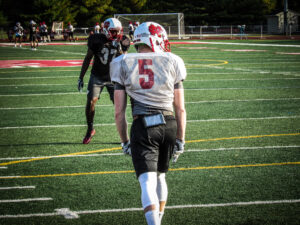
Football sideline signs are large boards, hand signals, or visual cues coaches use to communicate plays during games.
You see them held up on the sideline so players can quickly understand the next call without huddling or relying on long verbal instructions.
Signs can be simple gestures or picture boards with random images that only your players know how to read.
The main purpose of sideline signs is speed and clarity. They let your team keep a fast tempo, avoid confusion, and prevent opponents from easily predicting your plays.
Over time, sideline communication has evolved.
Teams once relied on quarterbacks wearing wrist cards. The rise of no-huddle offenses made fast visual signals more practical.
Today, many programs mix sideline signs with football play call wristbands to keep communication efficient and secure.
By combining traditional visuals with secure technology, you give your players clear instructions while reducing the risk of miscommunication or stolen signals.
Types of Football Sideline Signs
Teams use different sideline signs to send plays quickly and keep opponents guessing. These signs are crafted on vinyl banners, corrugated plastic, or other weather-resistant materials that last indoor or outdoor.
Coaches rely on bold graphics, shapes, and printed images so players can recognize calls instantly. Some programs use large picture boards with random images, logos, or celebrities.
These sideline displays are easy to spot across the field and can be swapped out often to prevent patterns from being stolen. The mix of colors and graphics helps players decode plays in seconds without slowing down the tempo.
Hand signals are another common method. Coaches or assistants use simple gestures to call plays, alignments, or adjustments.
To avoid detection, many teams rotate sign callers or add decoys so opponents can’t tell which signal is real. It keeps your communication flexible and harder to crack.
You may also see silent gestures, which are smaller, less obvious motions. These are useful in noisy stadiums or during no-huddle situations.
Silent gestures reduce the chance of sign stealing but require practice, so every player understands them. Sideline signs often work best when paired with tools like a football play sheet or digital playbook.
Combining physical signs and hand signals with secure communication systems gives you more control over how plays are delivered. It also helps protect your strategy from being exposed.
Benefits Of Football Sideline Signs
Sideline signs give your team a clear advantage by making communication faster and more secure. Instead of wasting time with long huddles or confusing signals, players get instant direction. It helps you protect your strategy while keeping the game moving at the right tempo.
One major benefit is easy setup. Signs can be prepared before the game, making them simple to use on the field. You can even tie them into your football practice plan so players know exactly how to respond.
Durability and quality matter too. Signs are built to withstand weather and repeated use. It reduces replacement costs and keeps your staff focused on coaching.
With the right tools, including modern football coaching software, sideline signs become even more effective. You gain secure communication and streamlined play calling. Plus, your players stay focused on the game.
The Risks of Sign Stealing in Football
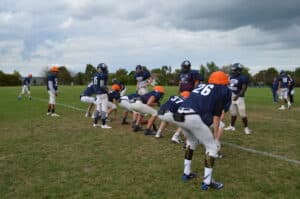
Sign stealing puts your team at risk because opponents can anticipate plays before the snap. When another sideline decodes your signals, it can block your strategy and reduce the impact of hours of preparation.
Coaches worry about safety, too. If a defense knows what’s coming, players may face harder hits or poorly timed collisions in heavy foot traffic at the line of scrimmage.
It creates an uneven and unsafe playing environment. Some methods of stealing signs are considered part of the game, like observation.
But when technology or insider leaks are involved, it crosses into unfair territory. The NCAA has clear rules on using video or electronic devices for this reason.
Common risks of sign stealing include:
- Loss of competitive balance
- Increased chance of injuries
- Distracted coaches forced to adjust mid-game
- Wasted practice time on compromised signals
Teams now use advanced systems like encrypted coach-to-player communication to prevent these issues. Sign-stealing prevention technology gives you a direct and secure way to protect your play calls.
Without protection, your signals are vulnerable to being decoded, blocked, or even shared by former players who know your system. That’s why rotating signs, using dummy callers, and adopting secure tech have become essential for every level of football.
Top Strategies To Protect Sideline Signs in Football
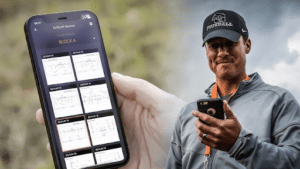
You can keep your sideline communication secure by mixing up how you deliver plays. Rotating signals and using multiple sign callers makes it harder for opponents to catch on.
Simple changes in routine can protect your team from giving away key information. One effective method is adding dummy signals.
By assigning extra personnel to flash decoys, you create confusion for anyone trying to decode your system. This tactic forces opponents to guess which signs are real.
You should also rotate your play cards and visual cues. Updating your football coaches play cards with fresh layouts helps keep your strategy unpredictable.
When cards change often, opponents lose the chance to build reliable patterns. Technology adds another layer of protection.
Secure communication tools like encrypted devices or wearable systems reduce the need for visible signals. It limits exposure and keeps your play calls between you and your players only.
Conclusion on Football Sideline Signs

Football sideline signs help coaches send plays fast, but they also create risks when opponents try to steal signals. You need a system that keeps communication clear, secure, and efficient without slowing down the game.
FAQs about Football Sideline Signs
What do signs on football sidelines mean?
Sideline signs give players quick instructions, skipping the huddle or any long chat. You’ll see coaches hold up big posters, throw hand signals, or use wristband codes.
These signs can call plays, adjust formations, or signal tempo changes. It’s all about keeping the team together and moving fast.
What are the sideline marks in football?
Sideline marks are those white boundary lines that outline the field. If you step on or past them with the ball, the play stops right there.
Coaches and players use these lines to set up formations and keep their spacing right, especially when things speed up.
What are the picture boards on the football sidelines?
Picture boards display random images, such as cartoons, objects, celebrities, or anything else. Each picture stands for a formation, route, or blocking scheme.
They look goofy to outsiders, but they help keep your play calls hidden from opponents. It’s a little bit of misdirection that actually works.
What do the signs mean in college football?
In college football, signs usually blend pictures, numbers, and hand gestures. Sometimes, an image is just a decoy while another one actually signals the real play.
This layered approach keeps defenses guessing. It gives the offense a better shot at running plays smoothly.
Share This Article
Related Articles




Free Playbook Template
Our downloadable template offers a sleek, detailed design with space for positional roles, play descriptions, and any play notes that you want to include.